



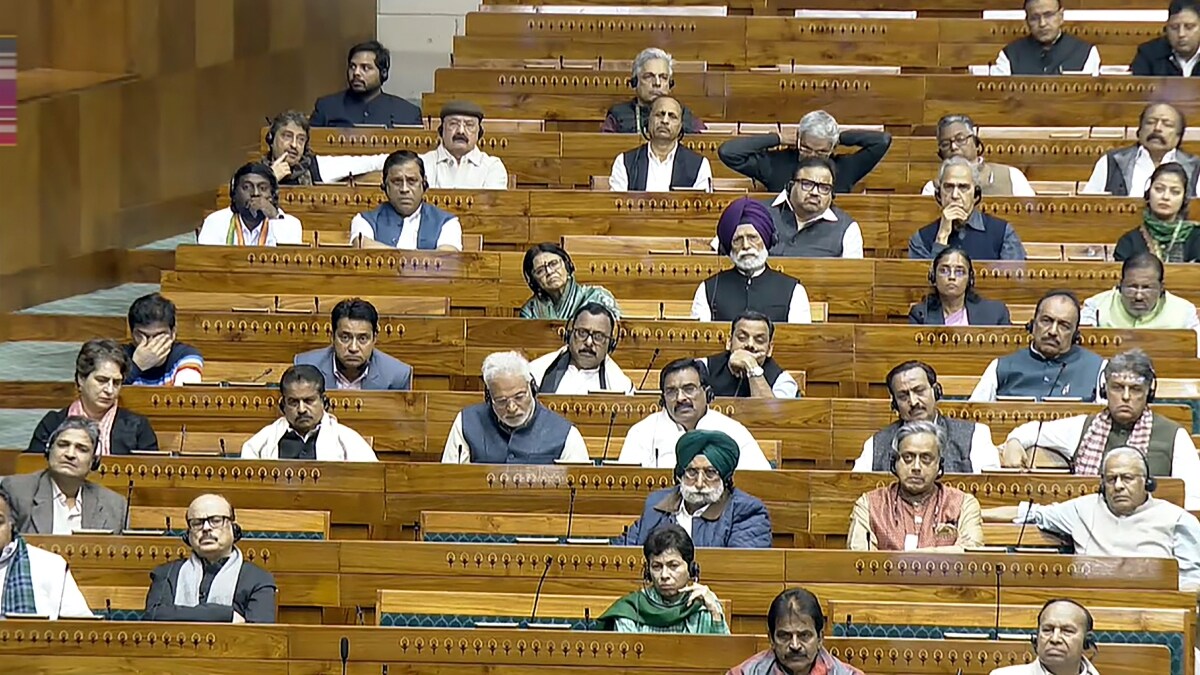
A Lok Sabha select committee has suggested several changes to the Insolvency and Bankruptcy Code (IBC) to make India’s insolvency system clearer, faster, and less prone to legal disputes.
The committee, headed by BJP MP Baijayant Panda, submitted its report to the Lok Sabha nearly four months after the Insolvency and Bankruptcy Code (Amendment) Bill, 2025 was introduced. The Bill was presented in the House on 12 August and was sent to the select committee the same day on a motion moved by Finance and Corporate Affairs Minister Nirmala Sitharaman.
The committee said its recommendations aim to tighten procedures, clearly explain the intent of the law, and reduce unnecessary litigation during insolvency proceedings.
One of the key suggestions is to expand the definition of “service provider” under the Code. The panel recommended that registered valuers should be clearly included in this category and that the term should be formally defined in the law. It also suggested making related changes across the Bill to ensure consistency.
On the corporate insolvency resolution process (CIRP), the committee proposed widening the definition of a resolution plan. This would allow more than one resolution plan for a single company. The move is meant to help companies with multiple business units resolve their assets separately and maximise value.
The panel also recommended writing into the law the composition of the Monitoring Committee that oversees the implementation of a resolution plan. It said the committee should mandatorily include the resolution professional, representatives of creditors, and the successful resolution applicant, instead of leaving this to future rules.
Supporting existing court practice, the committee backed the inclusion of the “clean slate” principle in the Code, with effect from the start of the IBC. This principle ensures that a company taken over through insolvency does not carry old liabilities. However, the panel made it clear that this protection should not apply to former promoters or officers in criminal cases under Section 69, so that individual accountability is maintained.
To avoid conflicts of interest, the committee recommended separating the roles of resolution professional and liquidator. It suggested changing the law to prevent a resolution professional who handled the insolvency process from later becoming the liquidator of the same company.
On liquidation priorities, the report clarified that government dues should continue to have a lower priority in the order of payments when a company is liquidated. It also asked for clearer wording to explain how these dues relate to agreements between creditors.
The committee further proposed fixing a three-month time limit for the National Company Law Appellate Tribunal (NCLAT) to decide insolvency appeals. This would require an amendment to the relevant section of the Code.
In a major change, the panel recommended decriminalising certain offences under Sections 74 and 76. Instead of criminal punishment, these violations would attract civil penalties. The aim is to prevent harsh punishment for procedural or good-faith mistakes while still ensuring accountability.
Other suggestions include setting clear deadlines for decisions by committees of creditors, directly including cross-border insolvency principles in the Code to match international standards, and clarifying that foreign companies with business links to India can be treated as corporate debtors under the law.
