



India’s economy showed remarkable strength in the second quarter of 2025-26, as inflation dropped to its lowest level since 2017. The best part? This came during a time of mounting global trade tensions and policy uncertainties that created headwinds for emerging markets worldwide.
The latest assessment, State of the Economy, published in the Reserve Bank of India's monthly bulletin painted a mixed but positive economic picture. But the outline was simple—strong domestic demand offset external sector challenges.
Inflation at 8-year low
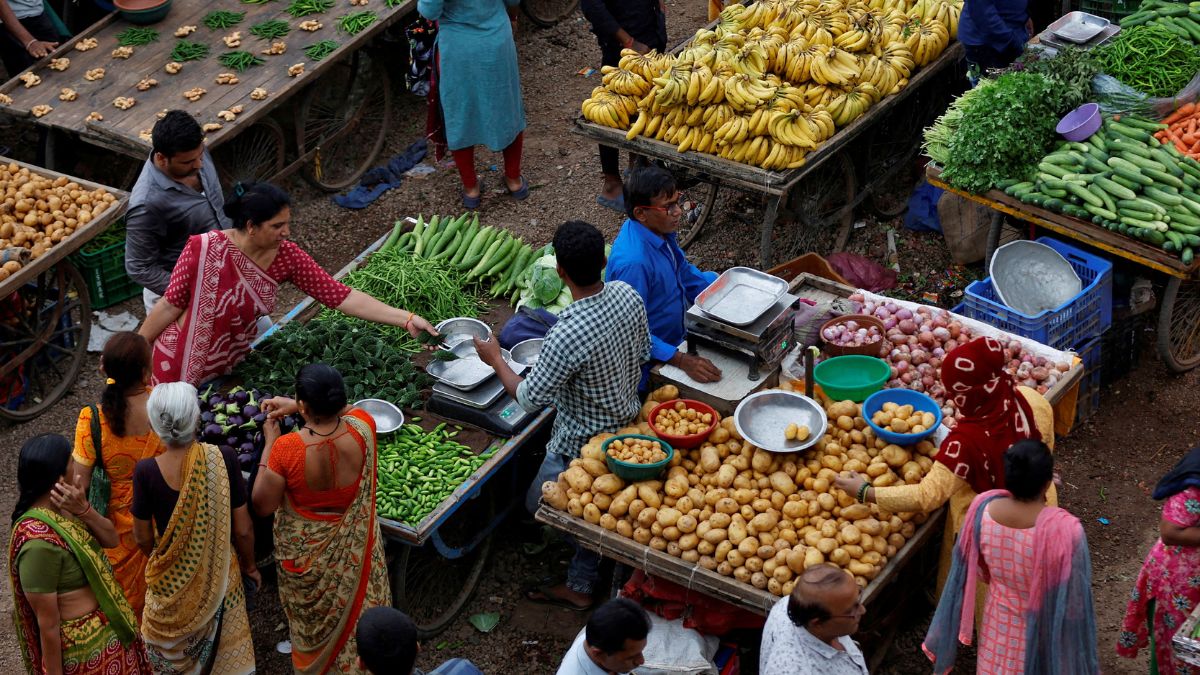
The standout achievement was inflation plummeting to just 1.5 per cent in September 2025—the lowest since June 2017. Food prices actually fell into deflation territory, with vegetables, pulses, and spices seeing sharp price declines. Union Ministers Piyush Goyal, Nirmala Sitharaman, and Ashwini Vaishnaw highlighted this in their recent joint press conference.
Good monsoon rains also added to agricultural growth, with reservoir levels at 91 per cent of capacity vs 79 per cent last year.
Rural demand shot up—two-wheeler and tractor sales soared.
Urban areas also showed signs of recovery, with passenger vehicle sales recording their highest growth in six months and digital payments surging during the festive season, aided by recent GST rate cuts.
Fiscal pressures still loom
Despite all the good news, government finances came under strain. Both central and state governments recorded higher deficit indicators than the previous year, as spending outpaced revenue collection.
Direct tax collections shrank marginally, while customs duty revenues dimmed, thanks to global trade disruptions.
India's merchandise trade deficit widened to a 13-month high of $32.1 billion in September, driven by increased gold and electronics imports. The US imposed 100 per cent tariffs on branded pharma products from India from this month (October 2025), though generic medicines—which constitute 92 per cent of India's pharma exports to America—remain largely unaffected.
RBI and policy response
The RBI’s Monetary Policy Committee (MPC) maintained the repo rate at 5.5 per cent while keeping a neutral stance, calling for the need for clarity on evolving economic conditions.
The apex bank announced 22 regulatory reform measures to strengthen banking sector resilience and improve credit flow to businesses.
But all is not grim! Despite the challenges, international agencies are optimistic about India. The IMF revised India’s growth forecast upward to 6.6 per cent for FY 2025-26, while the OECD lifted projections to 6.7 per cent on account of India’s domestic demand resilience.
Negative inflation in the country has surprised even the ratings agencies. And India has only scratched the surface of domestic consumption.
