


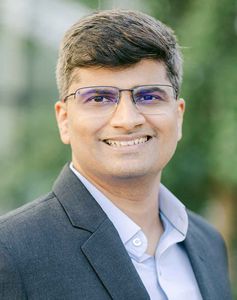
 Dr Alok Kulkarni
In a nation of over 1.4 billion, India's mental health landscape is a ticking time bomb. Nearly 197 million Indians—one in seven—live with some form of mental disorder, according to the Global Burden of Disease study.
Depression and anxiety top the list, worsened by rapid urbanisation, economic pressures and the lingering psychological scars of the pandemic. Yet, access to professional help remains a distant dream for most.
India has 0.75 psychiatrists per one lakh people, far below the World Health Organization's recommended three per lakh—although this picture is rapidly changing.
With approximately 9,000-11,000 psychiatrists in India against a required 36,000, it means more than 80 per cent of those with severe mental illness receive no formal care. Stigma, high costs and an acute shortage of professionals have resulted in treatment gaps ranging from 70 to 92 per cent—leaving millions vulnerable.
This vacuum has been eagerly filled by a burgeoning army of self-proclaimed wellness gurus. Social media platforms, such as Instagram, TikTok, and YouTube, are teeming with influencers promising quick fixes for mental anguish. From celebrity life coaches to viral “healers", these people capitalise on desperation, peddling unverified advice in a market projected to reach trillions globally.
In India, where traditional healing blends with modern digital trends, the allure is particularly strong. Beneath the glossy reels, however, lies a perilous underbelly: dubious methods, with little or no scientific backing, often leading to delayed treatment and intense suffering.
Wellness gurus urge followers to "visualise" their worries away, drawing from the law of attraction—a pseudoscientific idea popularised by self-help literature.
Proponents claim positive thoughts alone can rewire the brain to eliminate anxiety disorders. This narrative ignores well-established neurobiological mechanisms such as dysregulated serotonin pathways and chronic stress responses.
Studies show no empirical evidence supporting manifestation as a standalone treatment; instead, it can foster self-blame when it fails—deepening feelings of inadequacy.
In India, influencers with millions of followers promote this through daily affirmations, charging for premium "manifestation workshops" that promise an end to panic attacks without therapy.
A similar oversimplification is seen in the promotion of gratitude journaling as a panacea for depression. Writing down three things one is thankful for each day is often sold as a way to “overcome” clinical depression. While acknowledging positives can serve as a minor adjunct in therapy, it is no substitute for addressing underlying causes such as genetic vulnerability, chronic stressors or unresolved trauma.
Research from leading psychology bodies shows that such simplistic tools lack robust evidence for treating moderate to severe depression—potentially trivialising the condition.
Fads are rampant: crystal healing, where amethysts are said to "absorb negative energy" for better mood; essential oils, claiming to cure insomnia without side-effects; or eating an orange in the shower to "reduce anxiety" through sensory distraction.
These ideas emerge from the wellness industry's scrutiny-free wonderland, blending ancient and modern practices. Beyond these are more dangerous claims—dubious trends include "quantum healing" suggesting consciousness alone heals mental problems, or, the promotion of unregulated supplements as "natural antidepressants”.
In India, social media influencers—often without medical qualifications—push these ideas, creating an infodemic of misinformation.
A recent investigation found that over half of popular mental health content on social media platforms contained inaccuracies or outright falsehoods, frequently promoting quick fixes and questionable products.

Celebrity coaches blend spiritual anecdotes with self-help, but critics question the authenticity and efficacy, labelling it “self-hype".
The government has stepped in, mandating influencers to disclose qualifications when giving health advice, yet enforcement lags.
The perils of these self-sprouting gurus are manifold. First, they exploit vulnerability, using fear-mongering against "big pharma" or fostering dependence through gated online communities.
This erodes trust in science, steering people from evidence-based care. In India, where stigma already deters professional help, such misinformation delays treatment, allowing conditions to worsen—sometimes with tragic consequences.
A recent Gallup snapshot revealed nearly 30 per cent of Indian workers face daily stress, with half considering quitting their jobs, amplifying the crisis. Wellness toxicity also triggers burnout; the pressure to maintain "perfect" habits, like endless journaling, can induce anxiety, turning self-care into a trap.
Financially, it is exploitative: premium courses, apps, and products drain resources without results. Worse, some methods harm—unregulated supplements can interact dangerously with medications, and ignoring symptoms risks severe outcomes. As one expert notes, these influencers are often conspiracy-adjacent, blending wellness with extreme views.
Exposing these charades is crucial, but so is highlighting paths forward. True mental health promotion rests on evidence-based methods—grounded in rigorous research. Cognitive Behavioural Therapy (CBT), for instance, is a gold standard for anxiety and depression, teaching skills to reframe negative thoughts with proven efficacy in reducing symptoms by 50-60 per cent in trials.
Schemes like the National Mental Health Programme should integrate CBT into primary care on a larger scale.
Medication, when prescribed by professionals, plays a vital role; antidepressants have strong evidence for moderate-severe cases, under supervision.
Lifestyle interventions shine, too: regular physical activity, such as 150 minutes of moderate workouts weekly, lowers depression risk by 20-30 per cent.
Quality sleep—7-9 hours every night—regulates mood hormones, while a balanced diet supports brain health.
Social connections are pivotal; evidence shows strong relationships buffer stress, reducing mental disorder onset.
The need of the hour is to evolve a community-based model involving local personnel to promote wellness through peer support. This will help in decreasing distress in rural areas.
Mindfulness-Based Stress Reduction (MBSR), with roots in meditation but backed by Randomised Controlled Trials (RCTs), alleviates anxiety without pseudoscience.
School-based mental health programmes build resilience through evidence-driven education, fostering literacy and coping skills.
Workplace interventions—including stress management training—yield returns: for every rupee invested, up to four are saved in productivity.
Digital tools, when evidence-based, offer accessible therapy modules.
Prevention is key—addressing determinants like poverty and gender inequality through policy can avert disorders.
To bridge the gap, India must invest in training more professionals, de-stigmatise help-seeking, and regulate influencers rigorously.
Dr Alok Kulkarni is senior consultant psychiatrist at the Manas Institute of Mental Health, Hubli.