


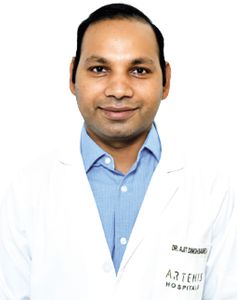
DR AJIT SINGH BAGHELA
Consultant, paediatric neurology, Artemis Hospitals. His extensive experience in diagnosing and managing neurodevelopmental conditions focuses on early intervention strategies and family-centred care, besides battling stigma. A nature lover, he enjoys swimming and trekking.
Neurodivergence encompasses natural variations in human cognition, including autism, attention-deficit/hyperactivity disorder (ADHD), dyslexia and other neurological differences. Fifteen to twenty per cent of the global population is considered neurodivergent. According to the World Health Organization, one in 100 children worldwide is diagnosed with autism spectrum disorder (ASD). Recent studies indicate that about one in 100 children in India under age 10 may has autism, and nearly one in eight have at least one neurodevelopmental condition.
Understanding neurodivergence
It refers to the natural differences in how people’s brains work and process information. Think of the brain as a complex computer system—while most computers run on similar operating systems, neurodivergent brains operate on different, equally valid systems. These differences affect how individuals think, learn and communicate with the world.
Spectrum of conditions
The most common neurodivergent conditions include ASD, ADHD, dyslexia and other learning differences. Autism affects social communication and behaviour, often accompanied by repetitive patterns and intense interests. ADHD causes difficulties with attention, impulse control and hyperactivity. Dyslexia primarily impacts reading and language processing abilities. These conditions frequently overlap—someone with autism may also have ADHD, or a person with ADHD might struggle with dyslexia. Comprehensive evaluation by trained professionals is crucial for identifying all conditions. Anxiety and depression are common among neurodivergent individuals. Other co-occurring conditions include obsessive-compulsive disorder, bipolar disorder and epilepsy.
Dual perspective
Neurodivergence exists in a unique space—it is both a natural variation in human brain function and, when necessary, a medical condition requiring support. This dual understanding is crucial. On one hand, neurodivergence represents the natural diversity of human cognition, much like how people have different heights, eye colours or physical abilities. It is not something that needs to be ‘fixed’ or ‘cured’. On the other hand, many neurodivergent individuals face genuine challenges in daily life that benefit from medical support, therapeutic interventions and environmental accommodations. This balanced perspective helps reduce stigma while ensuring people get help.
The Indian context
In India, ASD, ADHD and learning differences like dyslexia are the most frequently encountered neurodivergent conditions. The number of diagnosed cases has increased significantly over recent years, due to growing awareness among parents, teachers and health care professionals. Urban areas show higher diagnosis rates, partly due to better access to specialists and diagnostic facilities.
Challenges
Many families, particularly in rural areas, still attribute neurodivergent behaviours to supernatural causes or poor parenting. Social stigma remains strong, often preventing families from seeking help. The lack of trained specialists outside major cities creates significant barriers to diagnosis and treatment. Additionally, many learning disorders go undetected in schools that lack proper screening programmes.
Age-related manifestations
Neurodivergent conditions present differently across age groups, making early recognition crucial. In young children with ADHD, hyperactivity and difficulty concentrating are prominent, while adults may struggle more with organisation and restlessness. Autism in early childhood often manifests as difficulties with social interaction and communication, but teenagers and adults may face challenges interpreting social cues and maintaining relationships. Dyslexia typically becomes apparent when children struggle with reading and writing, though adults may continue to find reading tasks particularly challenging. Understanding these developmental changes is essential for providing appropriate support at each life stage. What works for a child may not be effective for an adult, and interventions must evolve with the individual’s changing needs.
Hidden signs
Many neurodivergent individuals learn to mask or hide their differences, making recognition challenging. A person with autism might mimic social behaviours without fully understanding them, appearing socially competent while struggling inside. Someone with ADHD might seem engaged externally while battling focus issues internally. Others experience sensory sensitivities or anxiety that aren’t immediately apparent. These masked presentations can lead to delayed diagnosis and inadequate support. Girls and women are particularly prone to masking, often resulting in under-diagnosis.

Role of genetics and family history
Genetics play a significant role in neurodivergence, with conditions like autism, ADHD and dyslexia frequently running in families. If one family member has a neurodivergent condition, the likelihood of others being neurodivergent increases. However, genetics is only part of the story—environmental factors and developmental influences also shape how these conditions manifest. Family history assessment helps health care providers evaluate risk and implement early support.
Environmental influences
During pregnancy and early childhood, environmental factors can influence neurodivergent development. Exposure to harmful substances like lead or alcohol during pregnancy, maternal infections, poor nutrition or high stress levels can increase risks. Birth complications, premature birth or low birth weight may also contribute to neurodevelopmental differences. While these factors are important, neurodivergence typically results from complex interactions between genetics and environment. Understanding these influences helps promote healthier pregnancies and supports early intervention strategies.
Early warning signs
Parents and teachers should watch for several key indicators that may suggest neurodivergence. These include delayed speech or motor skills, difficulty with eye contact, challenges focusing or staying still and struggles in social situations. Other signs include repetitive behaviour, heightened sensitivity to sounds or textures, and difficulties with reading, writing or following directions. These signs can vary significantly between children and often appear in early childhood.
Timing of diagnosis
Some neurodivergent conditions can be reliably identified as early as 18 to 24 months, particularly ASD. Others like ADHD or dyslexia may not become apparent until preschool or early school years (ages 4-7), when attention, reading and learning challenges become more evident.
Diagnostic process
This typically begins with developmental screenings by paediatricians or specialists, who assess behaviour, communication and learning abilities. If concerns arise, comprehensive evaluations follow, including detailed interviews, standardised questionnaires and direct observation. A team of professionals may be involved, including developmental paediatricians, child psychiatrists, clinical psychologists, neurologists, speech-language pathologists and occupational therapists.
Diagnostic tools and their limitations
Current diagnostic tools, such as the Autism Diagnostic Observation Schedule and Vanderbilt ADHD Rating Scales, are generally reliable when used by trained professionals. However, they have limitations. Many rely on observation and caregiver reports, which can be subjective. Cultural differences, masking behaviours and co-occurring conditions can complicate diagnosis. Some tools may not fully capture how neurodivergence presents in girls or adults. This is why comprehensive, multi-step evaluations are essential for accurate diagnosis.
Gender differences in diagnosis
Boys are diagnosed with certain neurodivergent conditions more frequently than girls, partly because their symptoms are often more obvious or disruptive. Girls may show subtler signs like inattentiveness or daydreaming rather than hyperactivity, or they may be better at masking their difficulties through social mimicry. Traditional diagnostic tools, largely based on male presentations, may miss these subtler manifestations in females.
Hormonal and developmental factors
Hormones like testosterone and oestrogen influence brain development during prenatal and early childhood periods. Exposure to different hormone levels in the womb may affect social behaviour and cognitive patterns, potentially influencing the likelihood of developing conditions like autism or ADHD. Some researchers suggest that girls may require stronger genetic or environmental triggers to manifest these conditions, possibly due to protective effects of oestrogen.
Educational accommodations
India’s education system is slowly adapting to accommodate neurodivergent students. The Rights of Persons with Disabilities Act of 2016 mandates inclusive education, allowing children with disabilities to attend mainstream schools with appropriate support. Project Inclusion has trained over 3.6 lakh teachers to better understand and support neurodivergent students. Challenges remain, including rigid curricula, limited resources and insufficient teacher training. Progress continues toward creating more flexible learning environments and providing specialised support for diverse learning needs.
Treatment approaches
Effective treatment for neurodivergence typically involves individualised approaches combining behavioural therapies, educational support and sometimes medication. Applied Behaviour Analysis can help individuals with autism develop social and communication skills. ADHD may be managed with medication and behavioural strategies. Dyslexia responds well to specialised reading programmes and educational accommodations. Early intervention and personalised treatment plans are crucial for optimal outcomes. The goal is not to eliminate neurodivergent traits but to help individuals develop coping strategies and maximise their potential.
Family and community support
They can better support neurodivergent individuals by learning about and accepting different ways of thinking and behaving. Education about neurodiversity reduces stigma and increases empathy. Creating inclusive environments at home and in public spaces helps neurodivergent people feel valued and understood. Flexibility, patience and open communication are essential. Joining support groups and community programmes provides valuable resources and shared experiences.
Long-term outcomes and support systems
Neurodivergent individuals may face challenges in education, employment and relationships due to differences in communication, sensory processing and social interaction. However, with appropriate support systems, many can achieve successful outcomes. Beneficial support systems include inclusive education programmes, workplace accommodations, mentorship programmes and community awareness initiatives.