



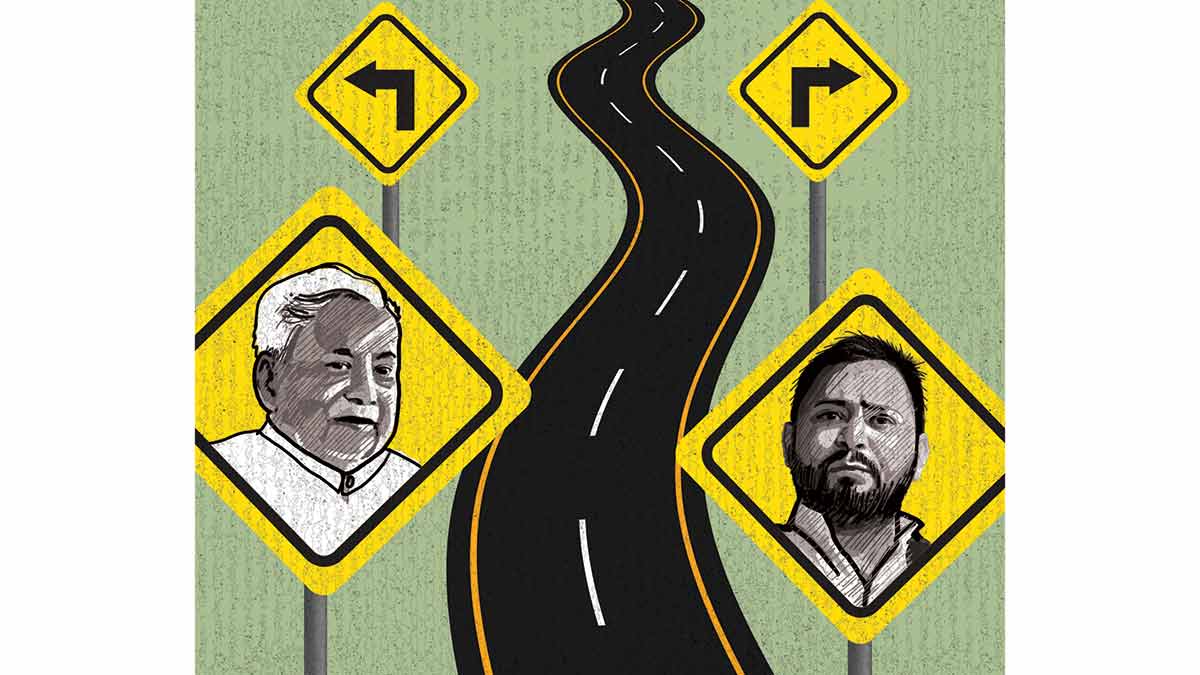
Why do we need roads? Nobody here has got a car,” a dalit lad whom I had picked up as a local guide during the 1998 general elections snapped when I complained of the back-breaking drive to Laxmanpur Bathe, the village where scores of dalits had been massacred by upper-caste men a few months earlier. In a moment I was enlightened why caste made more electoral sense in Bihar than bijli-sadak-paani promises.
Bihar’s roads were once known for their back-breaking potholes and shotgun-wielding outlaws. Biharis didn’t care two hoots or shots about either. Only outsiders bothered.
Came Atal Bihari Vajpayee selling dreams of the Golden Quadrilateral, and east-west corridors. As Biharis too, like the rest of Indians, began dreaming of silky smooth roads, Lalu Prasad promised to make Bihar’s roads as smooth as Hema Malini’s cheeks. The dream girl didn’t mind then, but took offence years later when she was making baby steps into politics. Lalu, who had lost power by then before he could make his promise good, said it wasn’t he but Vajpayee who had made the sexist remark. Cheek!
India’s greatest road-builders have been Biharis, not counting Atal ‘Bihari’. Check our middle-school history textbooks. We forget it was Magadha’s Asoka and his grandfather Chandragupta Maurya who are recorded to have built roads in India for the first time. They also planted trees on the sides, and dug wells for travellers to drink from—what we in the Nitin Gadkari generation call roadside amenities.
In the mediaeval age came Sher Shah Suri from Sasaram. After unseating the Mughal king Humayun, he ruled from Delhi for just five years before getting blown up in a gunpowder accident. During the short reign, the Sur left two indelible marks on India’s economic landscape—one is India’s national currency, the rupee, and the other India’s first national highway dotted with kos minars, drinking water baolis and free kitchens set in garden serais. The engineers of the East India Company would develop it 400 years later as the Grand Trunk Road.
With plenty of rivers that provided cheaper waterways, Biharis soon forgot roads, but took to the river and rail, the latter after the British built tracks across the Gangetic plain in the 19th century. The railway story of India wouldn’t be complete without travellers’ tales about ticketless passages, stolen berths, and chain-pulled halts from across Bihar.
Not just the trains, but the rail ministry itself became a Bihari fief in free India. The eight rail ministers from Bihar (the highest from any state)—from Jagjivan Ram to Lalu—pampered Bihar with new trains, new zones, divisions, locomotive plants and workshops, wheel-making foundries and more.
It was only after Nitish left the rail job and took the highroad to chief ministership that Bihar thought again of roads. The state has 4,006km of state highways today, apart from the 5,400km of Gadkari-built roads, hundreds of bridges, overbridges and flyovers, all free of potholes and outlaws, rendering Nitish’s poll campaign literally a ‘roadshow’.
Are these enough to earn him votes? Nitish thinks so. Not his rival Tejashwi. Like Dr Johnson who mocked his Scottish friend James Boswell that Scotsmen’s only prospect was the highroad to England, Tejashwi is saying the only prospects for the jobless lakhs in Nitish’s Bihar today are the rail tracks and highways that take them to the farms, factories and gig-job aggregators in Delhi, Mumbai, Ahmedabad, Bengaluru and Chennai.
So what would Biharis vote for? Nitish’s roads or Tejashwi’s jobs?
prasannan@theweek.in
