


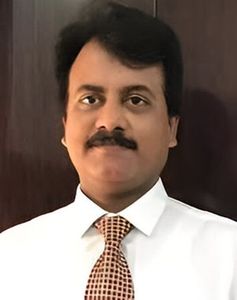
 Atul Patne
Interview/ Atul Patne, Principal secretary, tourism, Maharashtra
Maharashtra’s tourism potential is vast—ranging from beaches and heritage sites to wildlife reserves. In an interview, the state’s Principal secretary, tourism, Atul Patne, explains what makes his state a unique travel destination. Excerpts from an interview:
What is your strategy to position your state as a year-round destination?
Maharashtra is already a year-round destination. From beaches, heritage sites, and wildlife reserves to mountains, food, festivals, spirituality and adventure, Maharashtra truly has something for every traveller, every time of the year.
Unlike many northern states, Maharashtra enjoys a moderate climate. The monsoon season sees a significant influx of domestic tourists. From October to March, we witness strong international footfall. Even during the peak summer months of April and May, our beaches and coastal destinations remain popular.
How do you plan to promote lesser-known destinations like Lonar and Amboli?
Destinations like Lonar and Amboli are already gaining popularity, particularly among young travellers and special interest groups such as nature clubs, bird-watchers, photographers, cyclists, bikers, and road trip enthusiasts—largely thanks to social media. A special tourism circuit is being developed connecting Nashik, Nagpur, Chhatrapati Sambhajinagar, and Lonar, supported by enhanced rail and road connectivity.
How is Maharashtra aligning its tourism development goals with sustainability and environmental protection, especially in ecologically sensitive areas?
This is a topic very close to my heart. We are promoting responsible and sustainable tourism through policies that encourage homestays, bed-and-breakfast accommodations, and small hospitality ventures—especially those led by women under the AAI scheme.
Do you have plans to revamp branding and marketing outreach?
We have significantly stepped up our marketing efforts, focusing on young, adventure-seeking audiences. Our campaigns showcase Maharashtra’s rich history, forts, coastline, Sahyadris, spiritual sites and vibrant cuisine. Innovative initiatives include inviting global food experts to promote our cuisine and organising a walkathon during the centuries-old Pandharpur Wari pilgrimage. For business tourism, we have established the Maharashtra Convention Bureau to attract MICE events.
What role does rural and agro-tourism play in your vision for inclusive tourism development?
It is central to our sustainable tourism policy. Through the AAI scheme, we are enabling villages to become tourism hubs. A successful model has already been implemented in Chinchani near Solapur. These initiatives generate local employment, preserve rural traditions, and reduce migration of young people to cities.
Could you talk about upcoming infrastructure projects that aim to boost tourism?
Our tourism policies include incentives for large-scale projects like aquariums, island development, and theme parks. We are actively encouraging public-private partnerships under the Viksit Maharashtra 2047 vision. NRIs are also being invited to invest in their ancestral towns to aid local development and tourism infrastructure.
Are there dedicated efforts to revive heritage tourism with guided storytelling, digital experiences, or festivals?
Forts are the pride of Maharashtra, and we are working closely with the ASI to take over select sites for development. Plans include experience centres, museums, immersive AI domes, and festivals that celebrate our forts, food and cultural heritage.
What are you doing to improve tourist experience, especially in popular but crowded spots like Lonavala or Shirdi?
We are focusing on behavioural change through clear signages, awareness campaigns and messaging to encourage responsible travel. Fines and regulations are being strengthened. At the same time, we are working on deploying a tourism security force and are conducting safety audits—especially for adventure operators. We want to bring about the change in the mindset of the crowd and that is a daunting task, but we will get there.
Ultimately, both tourists and authorities must share the responsibility to maintain these destinations. As for safety, we are setting SOPs for adventure tour operators, ensuring safety audits, deploying tourist police. These are some of the plans in the pipeline.
What is your vision for Maharashtra in the next five years?
Our goal is to make Maharashtra the number one tourism destination in India. We aim to do this through a model that is sustainable, inclusive, humanitarian and community-driven.