

 Leading the way: Jawaharlal Nehru University, Delhi | Kritajna Naik
Hands-on approach: Prof Supriya Chakraborty with students at the life sciences lab at JNU | Kritajna Naik
Enabling environment: IIT Delhi wants its students to be excited about science and technology | Kritajna Naik
Engineering solutions: Cancer bio lab at BITS Pilani (file photo) | Arvind Jain
Leading the way: Jawaharlal Nehru University, Delhi | Kritajna Naik
Hands-on approach: Prof Supriya Chakraborty with students at the life sciences lab at JNU | Kritajna Naik
Enabling environment: IIT Delhi wants its students to be excited about science and technology | Kritajna Naik
Engineering solutions: Cancer bio lab at BITS Pilani (file photo) | Arvind Jain
It will be known as ‘Trishul’. One prong of the trident will look at the Arabian Sea, the second at the Bay of Bengal and Southeast Asia and the third will focus on inland waters. One cannot be blamed for assuming that this Trishul is linked to India’s maritime defence. However, it has little to do with it. Trishul is the name of a project set in motion by the country’s best university.
The Jawaharlal Nehru University, Delhi, is betting big on maritime studies. JNU has already set up the first prong of the trident―the Chhatrapati Shivaji Maharaj-Centre for Security and Strategic Studies (CSM-CSSS), focused on the Arabian Sea. Shivaji, called the ‘Father of the Indian Navy’, offers a resounding narrative aligned with the goal of a developed India, JNU vice chancellor Prof Santishree Dhulipudi Pandit told the media about the initiative, which was supported with Rs10 crore by the government of Maharashtra. The centre is almost functional and even organised an event on recalibrating India’s strategic thinking earlier this year. The university is planning to set up similar centres, dedicated to Assamese general Lachit Borphukan, famous for defeating the Mughals on the Brahmaputra, and Rajendra Chola, known for his naval expeditions. The Borphukan centre will focus on inland waters and the Chola centre on the Bay of Bengal and Southeast Asia.
“We are expecting to get funds from the Centre―the ministry of shipping and ports―for the two centres,” said Associate Prof J. Jeganaathan of the Centre for European Studies at the School of International Studies in JNU, who is the coordinator of CSM-CSSS. “The aim is to focus more on research in maritime studies and on India’s naval strategic thinking. We have already done a capacity building workshop for mid-career officials. The focus was on Pakistan and China and elaborate discussions were held on their maritime strength, including naval strength, and their possible strategies. The plan is that students will get to interact with armed forces personnel. We want to have events in Goa and Chennai and visits to naval establishments.”

While expanding to new horizons, JNU is also further strengthening its already solid fundamentals. Take, for instance, the School of Life Sciences (SLS). Established in 1970, based on a concept paper by the M.S. Swaminathan committee, it was the first department of life sciences in India. The school is now emphasising practical skill development a lot more. “Students go for detection and diagnostics to understand the processes involved,” said Prof Supriya Chakraborty, dean, SLS. “We have introduced a one-year diploma in life sciences and a one-year life sciences research course. Students can get training in this research course before doing their PhDs.”
The SLS also conducts summer and winter research workshops with the aim of skill development. “Our alumna, K. Sumanthi, is now head of research at Bharat Biotech,” said Chakraborty. “We have added skill training in diagnostics, pathogen diagnostics, disease diagnostics, molecular markers, developmental genetics, and communication skills, like writing research papers.”
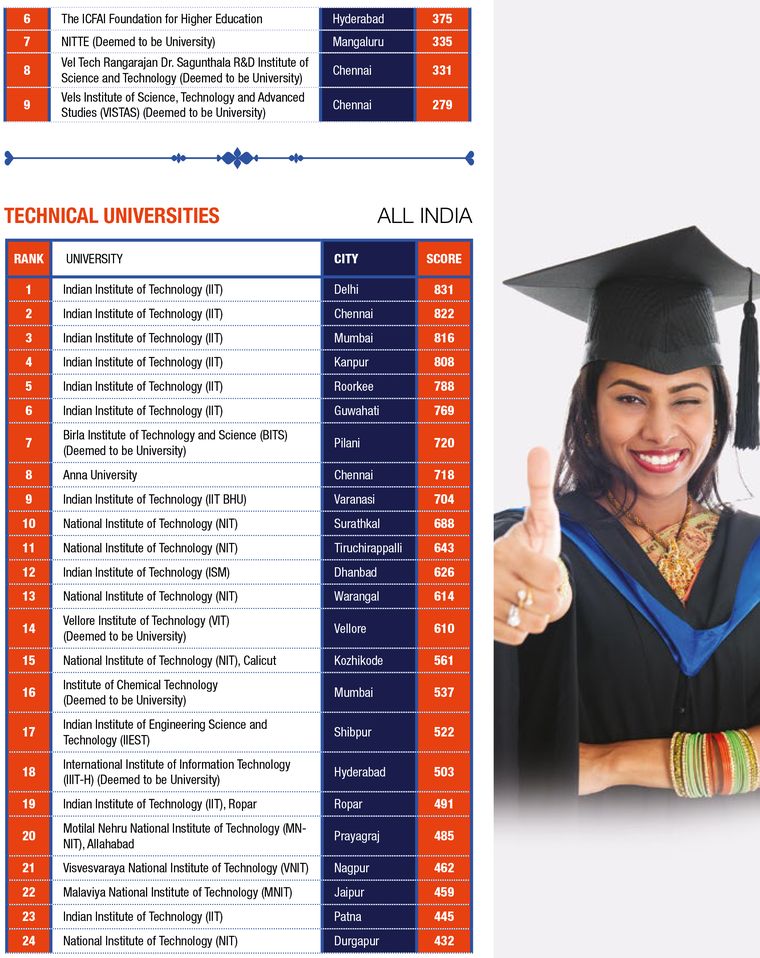
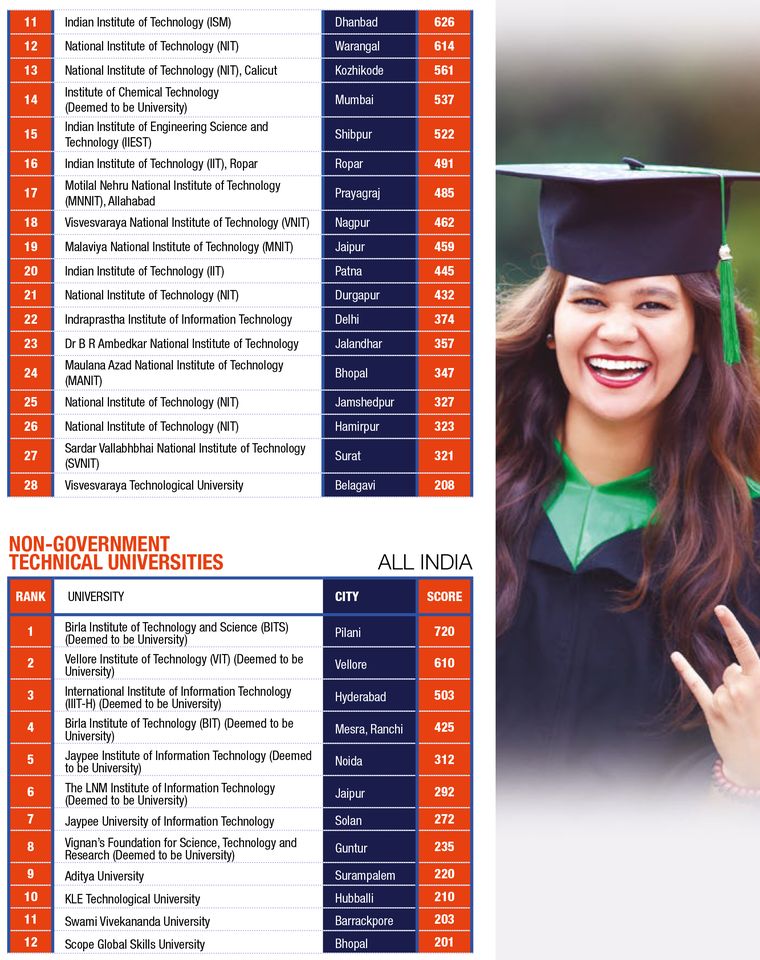
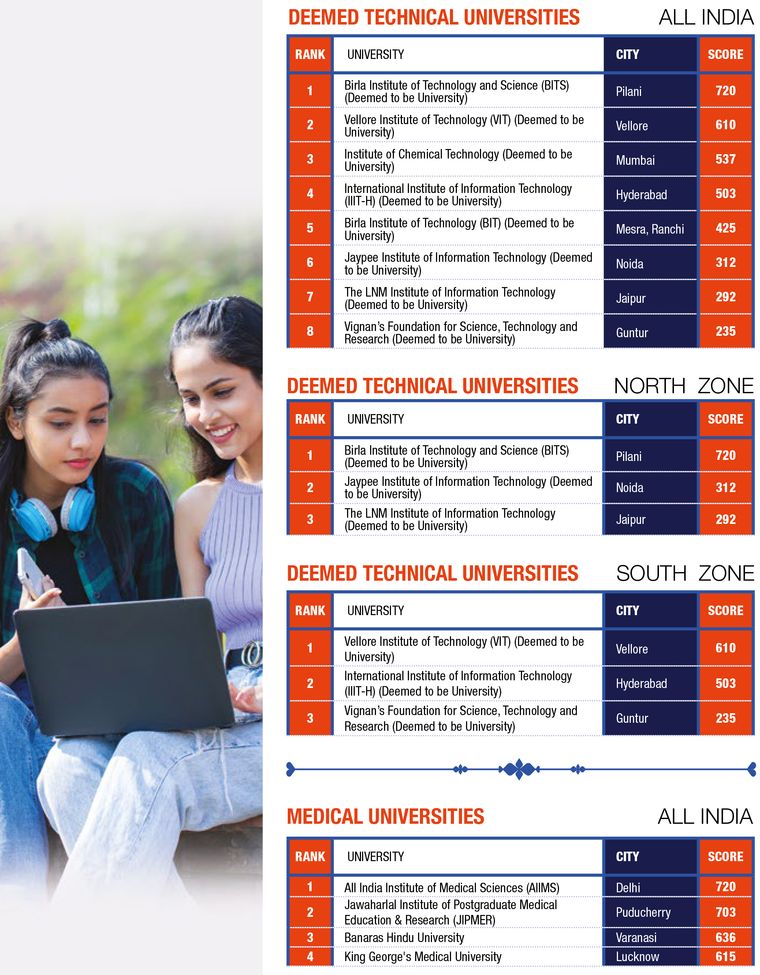
The SLS has also signed an MoU with IIT Delhi, India’s best technical university as per THE WEEK-Hansa Research Survey 2025. “IIT Delhi does not have an animal house,” said Chakraborty. “It is a gain for them to look at these aspects. Any student working on biochemical, molecular biology, cancer biology or immunology will be able to use this facility. For instance, there could be clinical trials for cancer research; how animals respond to different neurological disorders and how therapeutics can be developed.”
Incidentally, this is not IIT Delhi’s only notable collaboration. It is also collaborating with Microsoft and has launched the Unnati AI Accelerator to drive social impact in tier-2 and tier-3 towns. It has invited applications from students, startups and developers. And, innovators in health care, agriculture, education and sustainability are being encouraged to apply for a structured accelerator path featuring boot camps, expert guidance and demo days. “By supporting innovators from tier-2 and -3 regions with essential tools, mentorship and networks, we aim to build a globally competitive AI ecosystem rooted in inclusion and impact,” said Nikhil Agarwal, MD, Foundation for Innovation and Technology Transfer (FITT), IIT Delhi.

FITT is doing interesting work and has incubated startups like Creatara, the mobility solutions company established in 2018, supported by the department of science and technology. In early 2025, in the presence of Union Transport Minister Nitin Gadkari, Creatara, founded by Vikas Gupta and Ringlarei Pamei, launched two electric two-wheelers designed and manufactured entirely in India and featuring AI-ready vehicle control units, swappable battery systems, and a top speed of 110kmph with a range of 150km on a single charge.
Similarly, Zerodrag Technologies, incubated at IIT Delhi, is building indigenous and secure avionics systems for unmanned aerial vehicles. In a market dominated by non-Indian players, Zerodrag is designing and manufacturing flight controllers, encrypted telemetry systems and ground control stations that are fully indigenous. The company founded by Shantanu Bhede and Amit Nimje recently exported its first defence-grade system to the US and is actively expanding into Europe, Japan and the UAE.
The fact that IIT Delhi is a part of such home-grown innovation is no accident. As its director Prof Rangan Banerjee told THE WEEK (interview on page 130), students are taught to be excited about science and technology and are encouraged to become innovators and entrepreneurs.
Similarly, at the University of Delhi (DU), there is a focus on increasing the curiosity of students, using the flipped classroom concept. This involves sharing a 10-minute video of the topic to be covered in the next class with the students. On seeing it, the students understand what is to be covered and when they come for the class they have ideas and thoughts. This enhances learning capacity and makes them more interested in discussions.
Prof Yogesh Singh, vice chancellor, DU, says that the focus is gradually shifting from teaching to learning. “To meet the present and future requirements we will need to re-skill ourselves,” he said. To that end, the university is providing more flexibility to its students. “If students learning computer science have leadership capabilities and want to study management, they can do that,” said Singh. “If students want to study human behaviour, they can take minor in psychology. I am hopeful that this flexible structure is in the interest of our students.” Moreover, DU is asking its faculty to train technical students in soft skills, as they should know how to write technical papers.
Similar sentiments were echoed by Prof V. Ramgopal Rao, group vice chancellor, BITS Pilani Campuses, who said that the world of work is changing faster than ever before and skilling and re-skilling are now central to students’ success, especially in relation to technical institutions. He added that a pure-play engineering degree is no longer enough. “We have been supplementing our academic programmes with higher-skill training pathways,” he said. “We are setting up an office of experiential learning to integrate internships, undergraduate research, startup incubation and projects under a single umbrella. Short-term certificate programmes, flexible electives in AI, cyber security, data science, semiconductors and sustainability are now part of the offerings across campuses. We are also setting up new centres of excellence where students can gain hands-on exposure. Our aim is to ensure all graduates have skill sets relevant to the new-age job market.”
Rao also observed that the nature of industry-academia partnerships has evolved. It is no longer limited to lectures or internships. Companies now co-create curriculum and are setting up labs on campus and mentoring students on real-world projects. At BITS Pilani, semiconductor and deep-tech firms and AI startups are working with students and faculty. Global partnerships are also a strategic priority for the institute. Rao said that BITS Pilani was also excited about an emerging trend―micro-credentialing and stackable learning pathways. “Students are encouraged to build micro-skills in areas like blockchain and green technologies through certified modules that later add up to a specialisation,” he said. “There is a growing interest in deep-tech entrepreneurship, with many students aspiring to launch startups even before they graduate.”
Amity University chancellor Atul Chauhan, citing the World Economic Forum’s Future of Jobs Report 2025, said that the global labour market is undergoing a significant transformation. Employers anticipate that by 2030, technological skills, particularly AI, big data and cyber security will have the highest demand. Alongside these, soft skills like resilience, adaptability, curiosity, leadership and social influence are also rapidly gaining importance.
“This underscores the growing need for higher education institutions to go beyond conventional degree programmes,” he said. “To ensure employability, students must be equipped with both technical and human-centric skills. Many institutes are already integrating short- and long-term skill-based modules and setting up dedicated centres for skilling and re-skilling. These efforts are now not just beneficial, but essential, for preparing students to thrive in an increasingly dynamic and complex job market.”
Amity also has a strong focus on AI and the Amity Centre for Artificial Intelligence is involved in more than 350 AI-based projects, spanning fields like health care, space, biotechnology and agriculture. It also offers a full-time course on generative AI at the undergraduate level. “Every student is offered a course on AI,” said Chauhan. “More than 5,000 non-technical students, say from economics, physiology, history, political science and public policy, have opted for AI courses this year. They will learn to apply AI in their respective domain.”
Research methodology
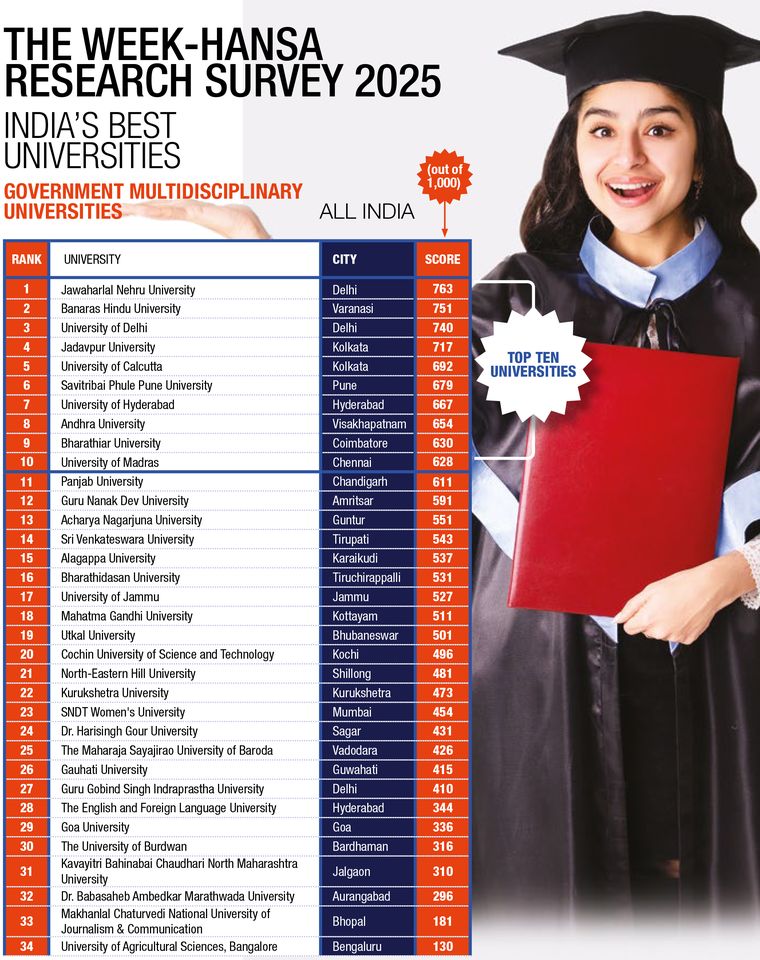
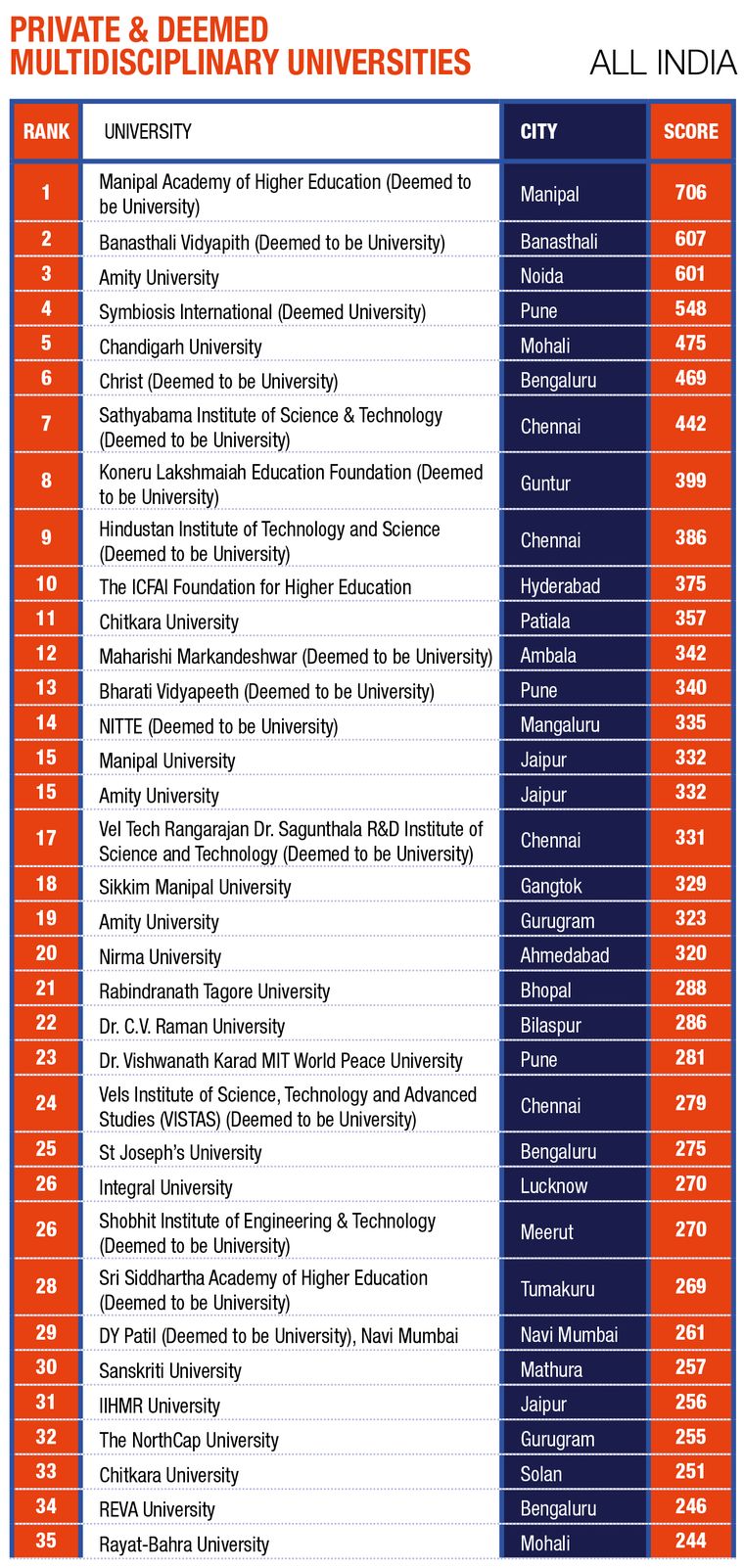
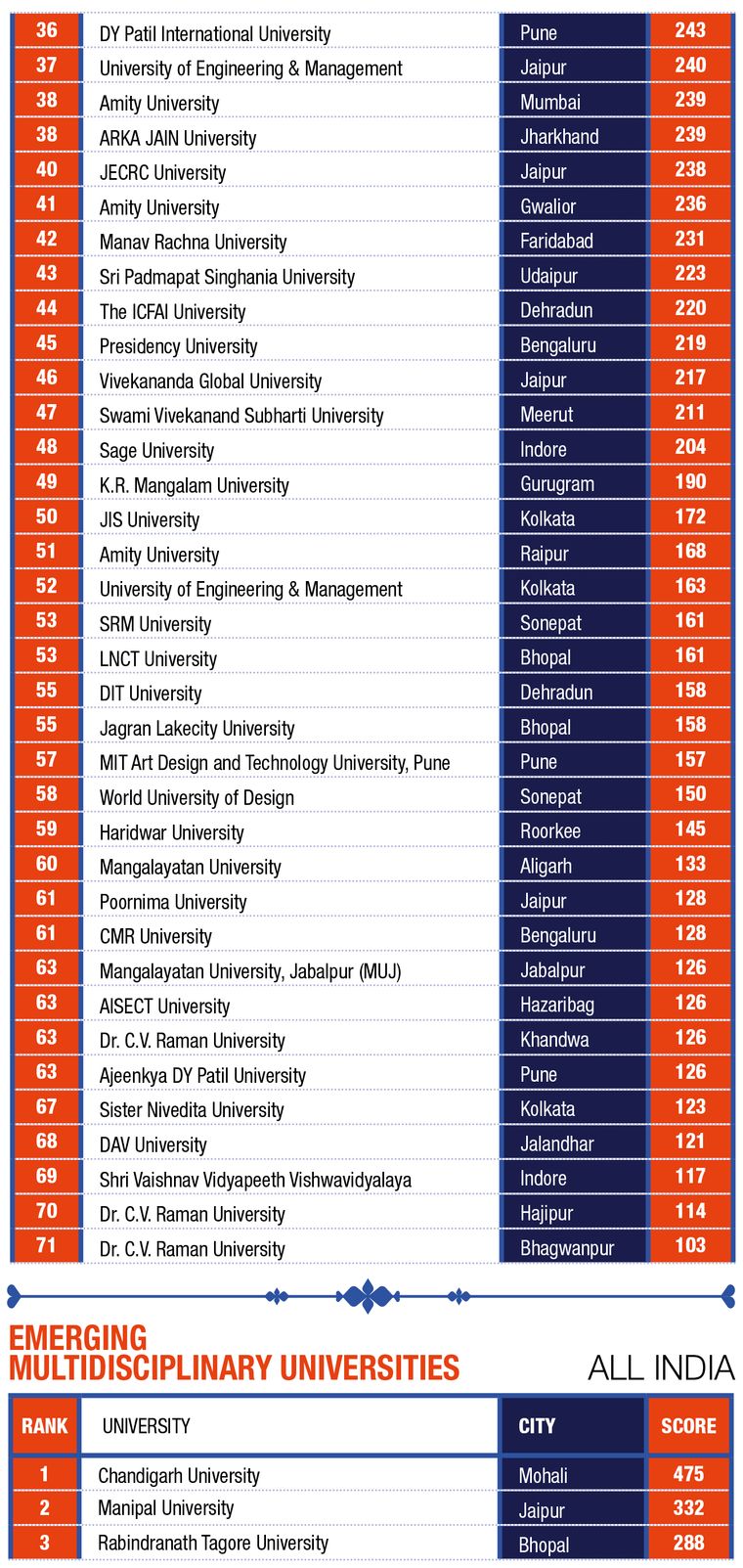
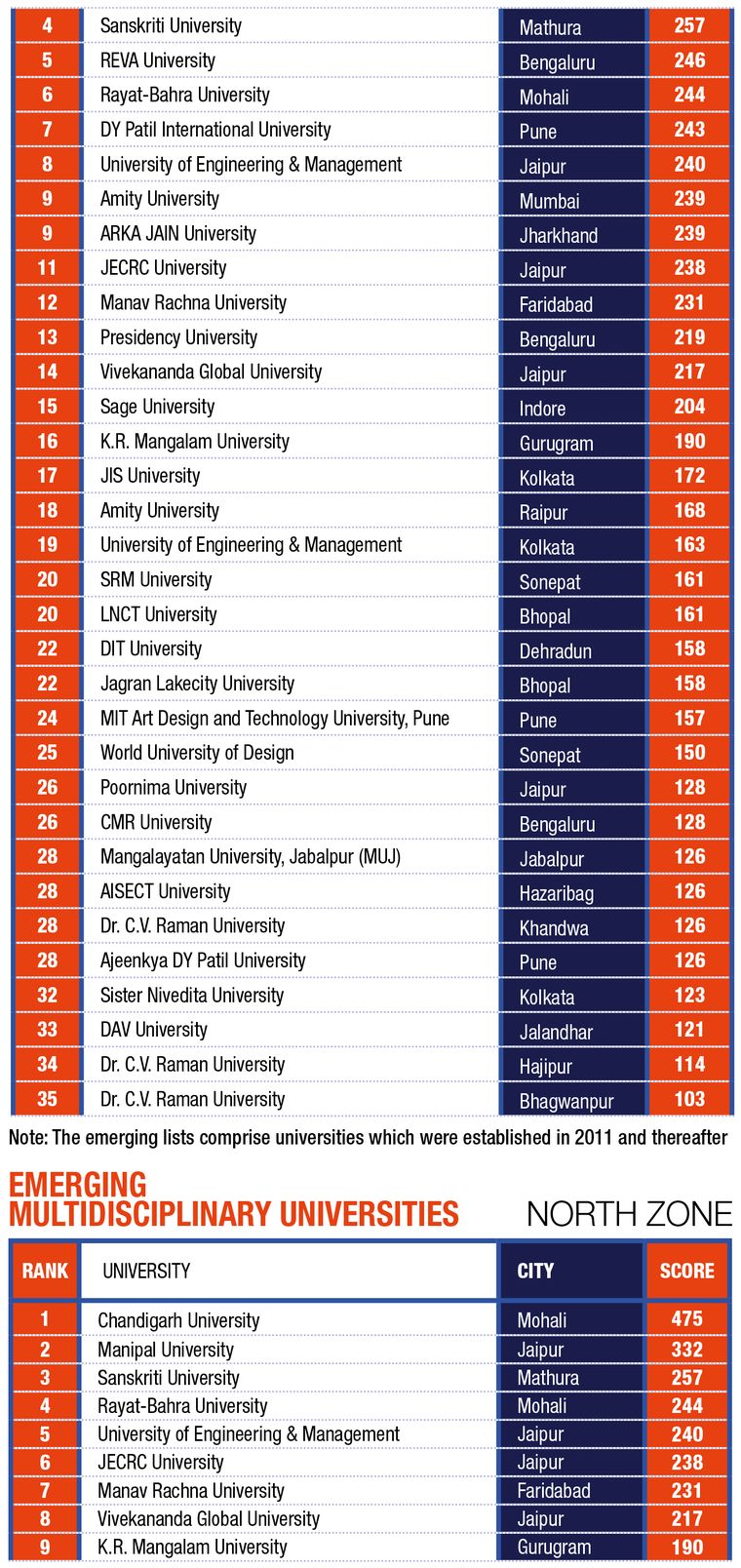
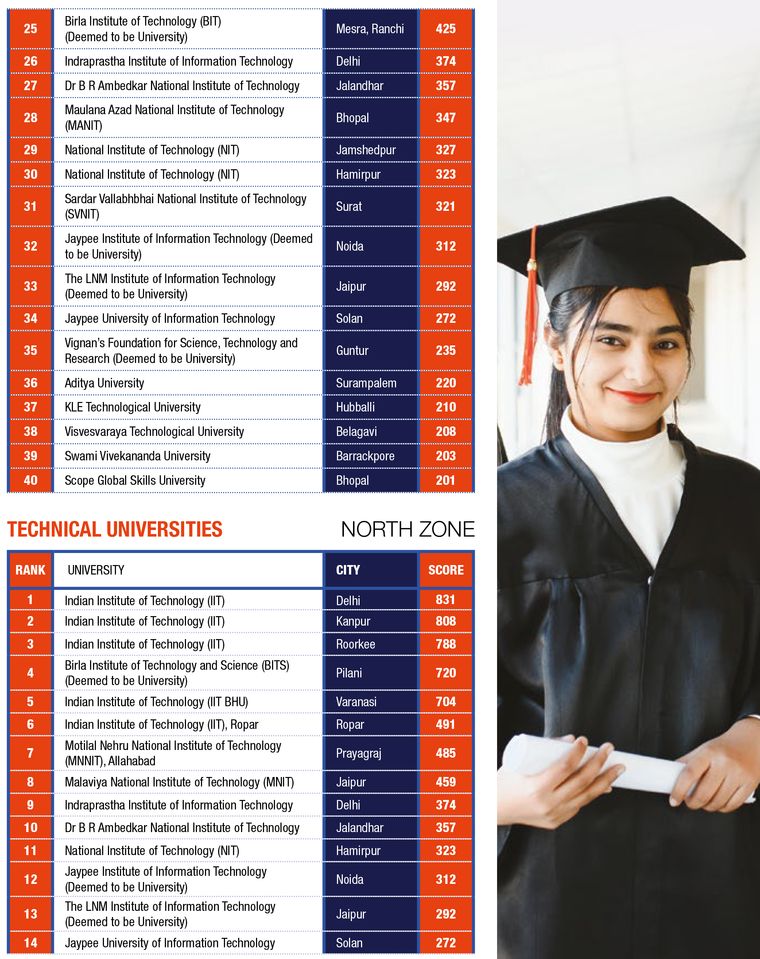
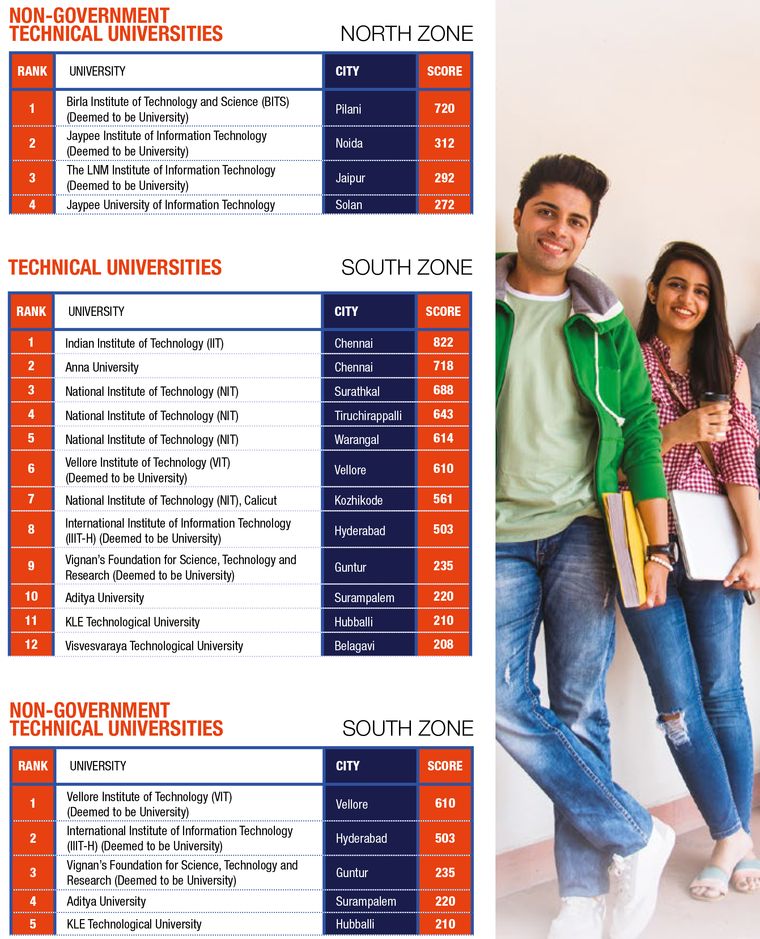
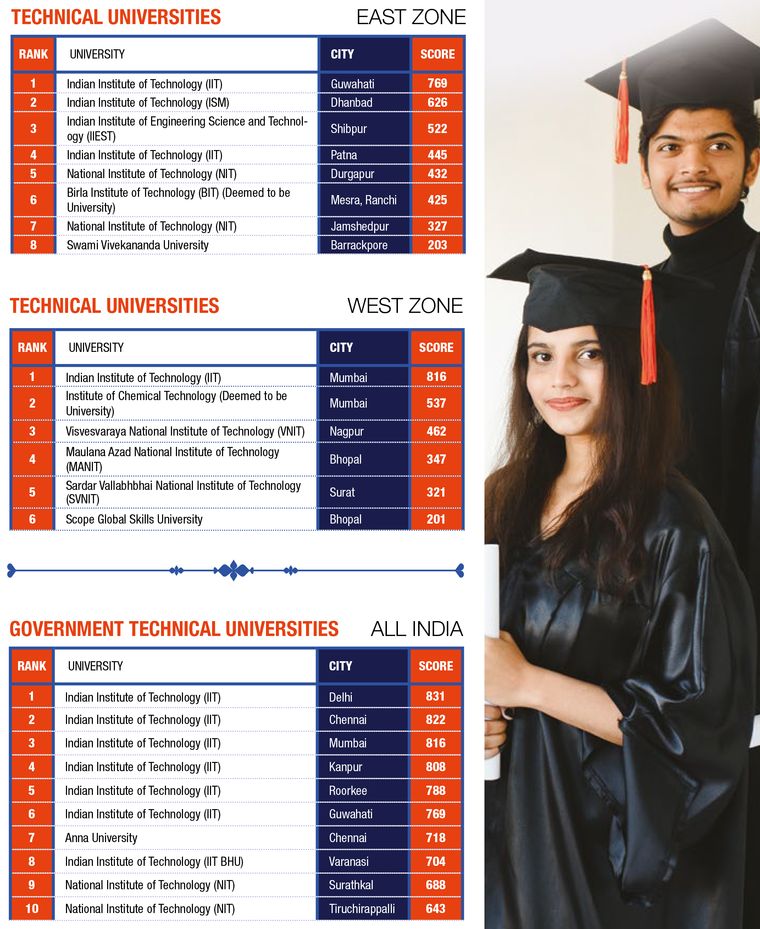
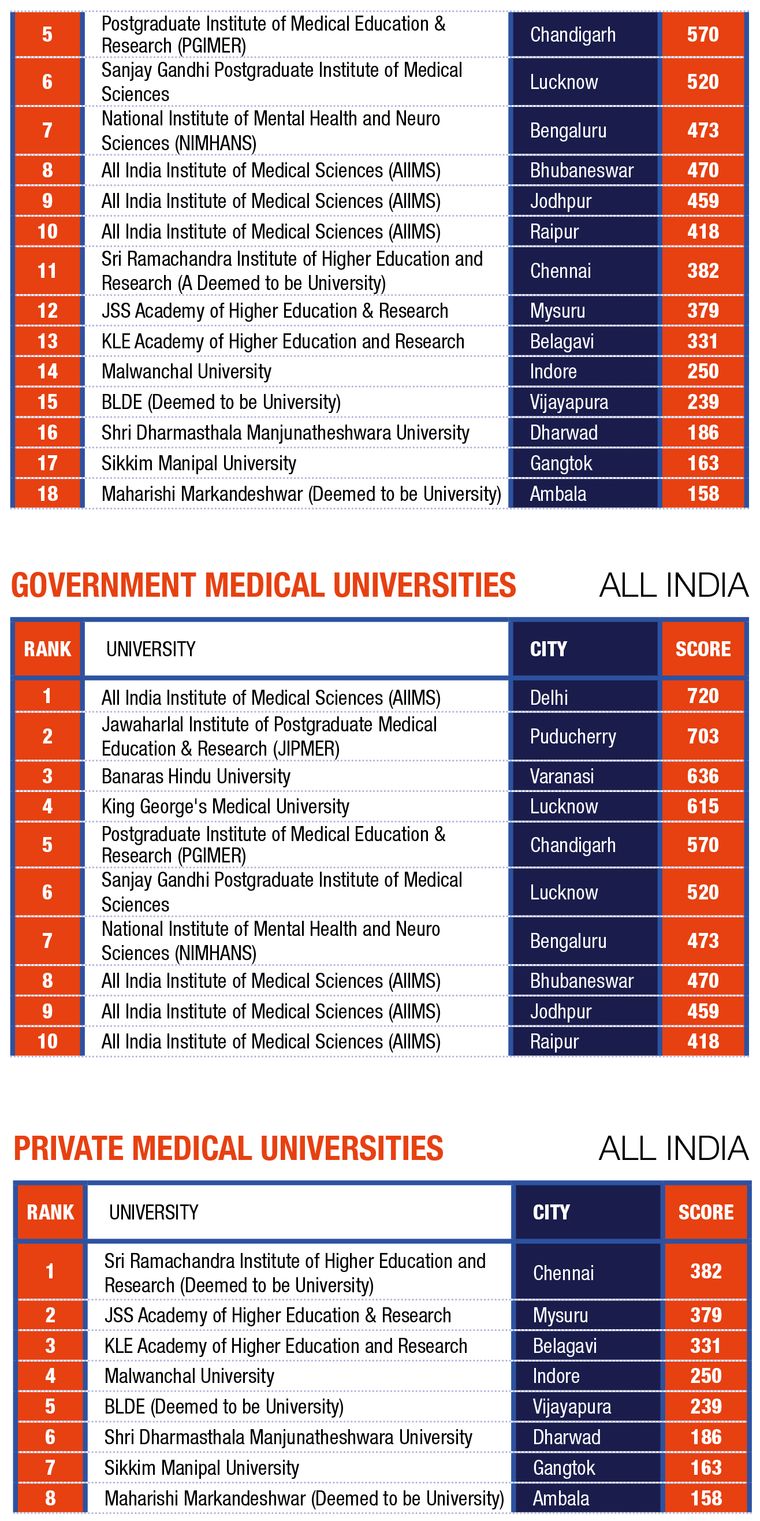
THE WEEK-Hansa Research Best Universities Survey 2025 provides insight into the hierarchy of multidisciplinary, technical and medical universities in the country. This year, the study was done across 15 cities.
To be eligible, universities had to be recognised by the UGC, offer full-time postgraduate degree courses in at least two disciplines and should have graduated at least three batches from the postgraduate programmes.
A primary survey was conducted with 597 academic experts, across select cities. The respondents were asked to nominate and rank the top 20 universities in India.
Perceptual score was calculated based on the number of nominations and the actual ranks received.
For factual data collection, a dedicated website was created and the link was sent to universities. Sixty-three universities responded within the stipulated time.
Factual score was calculated based on information from universities and secondary sources on the following parameters:
* Age of the institution and accreditation
* Infrastructure and facilities
* Faculty, research and academics
* Student intake and exposure
Final score = Perceptual score (out of 400) + factual score (out of 600)
Some universities could not respond to the survey. Among them, for the universities which confirmed that they wished to be ranked, the composite score was derived by combining the perceptual score with an interpolated factual score based on their position in the perceptual score list.
Lavu Rathaiah
Chairman, Vignan Group of Institutions, Guntur, Andhra Pradesh
The quality of research in Indian higher education must see significant improvement. Interdisciplinary collaboration should be actively promoted, encouraging innovation and the development of practical skills across diverse fields. Additionally, universities should encourage at least 20 to 25 per cent of students to pursue entrepreneurship and startup ventures, shifting the focus from job-seeking to job creation.
Satnam Singh Sandhu
Chancellor, Chandigarh University
Our honourable Prime Minister Shri Narendra Modi ji has given a vision of making India a developed nation by 2047. If we want to achieve this goal then universities must play a major role by fostering the spirit of entrepreneurship, research and innovation. No nation in the world can call itself a developed nation, if it lags in the domain of research and entrepreneurship. Indian universities must produce the next generation of entrepreneurs and innovators who will lead the country on the path of progress.
Ashok Kumar Mittal
Member of Parliament (Rajya Sabha) and founder chancellor, Lovely Professional University
India is already on a positive growth trajectory in higher education, with increasing global recognition and expanding access. However, to become the best, we must evolve with the times. India does possess professional excellence, yet it is equally important to embrace advanced technologies and move away from outdated teaching methods. Focusing on practical, skill-based learning rather than rote memorisation will equip students for real-world challenges.
Devinder Narain
Sr director, corporate relations and human resources, Shobhit University
Education is not just a path to employment―it is a journey toward ownership, innovation and impact. Whether it is biomedical engineering, biotechnology, agriculture, management or law, students must look beyond the obvious and choose fields where they can solve real-world problems, lead change and build careers with purpose―not just code, but contribute.
Prashant Bhalla
President, Manav Rachna Educational Institutions
India must prioritise quality, accessibility, and happiness in education to become the world’s best destination for higher learning. Investment in faculty development, research infrastructure and global benchmarking is crucial. Universities must also develop an environment where students and teachers feel valued, empowered, and inspired. A student-centred ecosystem, offering interdisciplinary flexibility, combined with emotional wellbeing and academic rigour, will help India emerge as a beacon for higher education globally.
Davish Jain
Chancellor, Prestige University, Indore, and chairman, Prestige Education Foundation, Indore
Investing in research and development, fostering global collaborations, and promoting interdisciplinary learning will create a knowledge economy. Establishing strong industry-academia partnerships ensures graduates are job-ready. Universities should also prioritise inclusivity, offering scholarships and digital access to underprivileged students. By nurturing critical thinking, ethical leadership, and startup ecosystems, universities can produce global talent.
Atul Patel
Registrar and dean (academics), Charusat University
By 2027, India will have the largest population enrolling for college and other higher institutions. By 2030, India is expected to have the largest population in the education age. To make India the finest country in the world for higher education, we need to connect education with industry-relevant skill requirements. There is a need to expand capacity at all levels of higher education, encourage postgraduate education and research, and diversify course offerings at the undergraduate level.
Vijay D. Patil
Chancellor and president, DY Patil Deemed to be University
Indian universities must become hubs of innovation, entrepreneurship, and inclusive education. By aligning with national priorities, fostering global partnerships, and nurturing socially responsible leaders, we can drive India’s progress and empower our youth to shape a resilient and self-reliant future for the nation.
By empowering institutions with autonomy, investing in research, and promoting value-based, future-ready learning, we can build a world-class education system that shapes global citizens and thought leaders.
Bidyut Majumder
Deputy director, business development, JIS Group
Indian universities must prioritise fostering innovation, critical thinking, and interdisciplinary research. Greater collaboration between academia and industry is essential to ensure that education is aligned with real-world needs. Universities should also emphasise entrepreneurial skills, invest in world-class infrastructure, prioritise faculty development, and create an environment that encourages creativity and problem-solving. Inclusivity and accessibility must be at the core, ensuring that talent from all sections of society can contribute to the nation’s progress.
Satyam Roychowdhury
Founder and managing director, Techno India Group, and chancellor, Sister Nivedita University
India has immense scope to become a global leader in higher education, thanks to its unique blend of demographic advantage, cultural depth, and growing technological capability. With the world’s largest youth population, India holds a powerful reservoir of talent waiting to be nurtured. We must invest in building globally competitive universities that prioritise research excellence, academic freedom and innovation. This requires a deep focus on modernising curriculum to match global trends, strengthening faculty development and fostering a vibrant research ecosystem.