



“The more one suffers, the more, I believe, has one a sense for the comic.”
—Søren Kierkegaard, Danish theologian and philosopher
Having just survived a close-range shootout, two hitmen get philosophical about their near-death experience on the drive back. In the car with them is another survivor, a young black man. One hitman believes it’s a “freak occurrence” that saved them, while the other believes it to be “divine intervention”. The former, irked by his colleague, asks the black man for his opinion. “Man, I don’t even have an opinion,” comes the reply. The hitman turns around and says animatedly, “Well, you gotta have an opinion. Do you think God came down to...,” Bang! The hitman’s gun accidentally goes off, followed by a crimson splatter on the rear window.

This was one of the most-discussed scenes in Quentin Tarantino’s iconic Pulp Fiction (1994). It made some viewers uncomfortable—the idea of accidentally shooting a black man and then casually arguing about it in broad daylight. The majority that got the humour, however, turned the film into a cult sensation. The Pulp Fiction brand of humour was a first for many viewers unversed with the concept of ‘dark comedy’. It was the same for me; I watched it first in high school and realised the film’s genius after several viewings.

The new Malayalam comedy hit Bharathanatyam 2 Mohiniyattam, just out on Netflix, features a similar accident. Only this time, the victim is not a good guy, and “divine intervention” gets a whole new meaning. In the most shocking scene, the lead actor Saiju Kurup is happily juggling a milk packet on the way home, unprepared for the gruesome murder he is about to witness. What makes the crime acceptable is that it was committed by a family trying to protect itself from malicious threats.
A sequel to Bharathanatyam (2024), the film flaunts its numerous pop-culture references. Mohiniyattam takes bigger risks than its predecessor and attempts many daring genre shifts. Its theatrical and streaming success is an indication of how Mollywood audiences are finding humour in morbid scenarios when the context justifies it and the characters are endearing enough for us to root for them.
The film was also well-received outside Kerala, especially after its streaming release. Kurup, who backed it along with his wife Anupama B. Nambiar, and co-producers Lini Mariam David and Thomas Thiruvalla, tells THE WEEK that audiences everywhere appreciated Mohiniyattam regardless of language barriers because of its universally appealing theme of families who harbour unpleasant secrets, along with the relatable traditional elements.
Interestingly, Mohiniyattam is a sequel to a box office failure which turned into a huge streaming hit. “It was Thomas chettan (Thomas Thiruvalla) who brought up the idea of doing the second film, since the first was a streaming blockbuster on Amazon Prime Video,” says Kurup. “This pre-established fan base helped us a lot when we made the sequel.”
Bharathanatyam became a box office failure due to poor marketing, with many people unaware of its existence. Kurup, Krishnadas Murali (who directed both films), and the rest of the team rectified this mistake with the sequel. The first thing they did was to sell the YouTube rights for Bharathanatyam a month before the release of Mohiniyattam; everyone could now see it for free. As a result, it garnered over 7 million views. After the release of Mohiniyattam, the team scattered short clips from it everywhere on social media.
It is difficult to imagine a film like Mohiniyattam becoming a success 40 years ago. Take, for example, director Sathyan Anthikad’s film Pappan Priyapetta Pappan (1986) in which actor Rahman’s character, whose life is accidentally taken by a regretful Yamarajan (God of death), is given an opportunity to possess the bodies of multiple characters, including Mohanlal’s police officer, so that he can put his affairs in order before his actual time of death. Audiences took some time to warm up to that film.
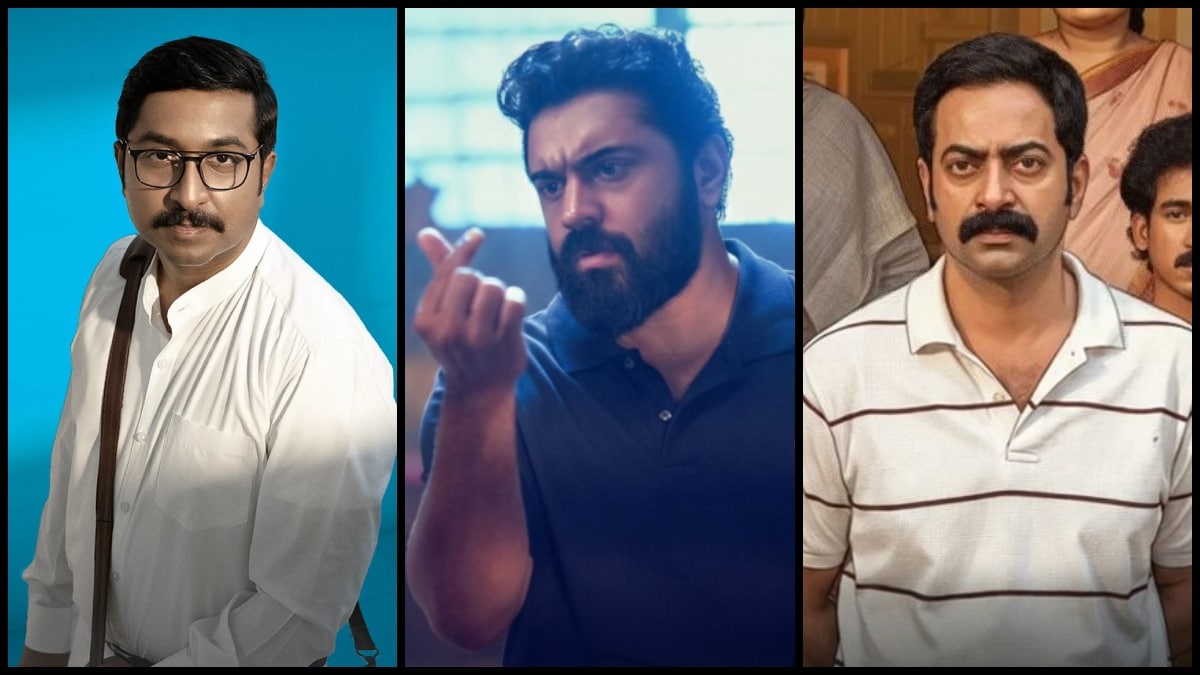
In recent years, though, we have seen numerous examples of dark comedy in Malayalam cinema with niche or mass appeal, like Aavesham (2024), dominated by Fahadh Faasil’s volatile, quirky gangster. Other notable examples include last year’s Pravinkoodu Shappu, 2022’s Mukundan Unni Associates (starring Vineeth Sreenivasan as a calculating, emotionless lawyer), and the Nivin Pauly-starrer Sarvam Maya (2025), where a young female ghost becomes the protagonist’s unlikely ally.
Abhinav Sunder Nayak, director of Mukundan Unni Associates, notes that he has not seen any change in the way audiences perceive dark comedies. He believes, however, that it is the ones with mass appeal that have always been successful. Citing Mohiniyattam and Tamil filmmaker Nelson’s movies like Doctor (2021) and Jailer (2023), Nayak says, “As long as it resonates with a wider audience, it will work regardless of genre. Some are, of course, meant to be appreciated by a niche group only. It all depends on the subject and how universal is its appeal. Mukundan Unni Associates, for example, poses certain uncomfortable truths, and such films usually don’t do great business. A dark comedy which does not make people uncomfortable, on the other hand, will do relatively better.”
Krishand, the national award-winning Malayalam filmmaker renowned for his idiosyncratic sensibilities and niche appeal, opines that the creator’s taste determines the delicate balance between discomfort and laughter. Nailing absurdity, he feels, requires a certain level of awareness. In his film Masthishka Maranam (2026)—a sci-fi cyberpunk dystopian satire—comical chaos ensues when the protagonist tries to seek refuge in the memories extracted from a dead man to distract himself from his personal trauma. Krishand’s storytelling philosophy stems from the need to “survive life’s unbearable realities through irony and our strange ability to find humour in collapse”. When it comes to dealing with a fundamentally chaotic reality, then laughing at the absurdity is the only escape, he suggests.
For Anthikad’s son, filmmaker Akhil Sathyan, who experimented with dark humour in his acclaimed films Paachuvum Athbutha Vilakkum (2023) and Sarvam Maya, if a subject moves him enough and there is a possibility to include an element of dark humour, he goes for it. He says this is what compelled his father to make Pappan Priyapetta Pappan. “Regardless of the genre, if there is a deeply moving element in a particular subject, it then becomes about turning it into a movie as soon as possible,” says Akhil, while acknowledging that the failure of that film discouraged his father from experimenting further with dark comedy.
For Akhil, though, his venture into the supernatural with Sarvam Maya proved to be—to borrow the title of one of his father’s films—a ponmuttayidunna tharavu (the goose that lays golden eggs). He believes the story’s appeal to different age groups, particularly millennials and Gen Z, may have worked in its favour. “It is also about breaking storytelling patterns, putting a fresh spin on things, and finding the human elements, with a sprinkling of some dark humour,” says Akhil. “Once we have built the right foundation, we can work with anything, provided, of course, we have the right actors to deliver it. This way, audiences also become slowly conditioned to new ideas.”
