



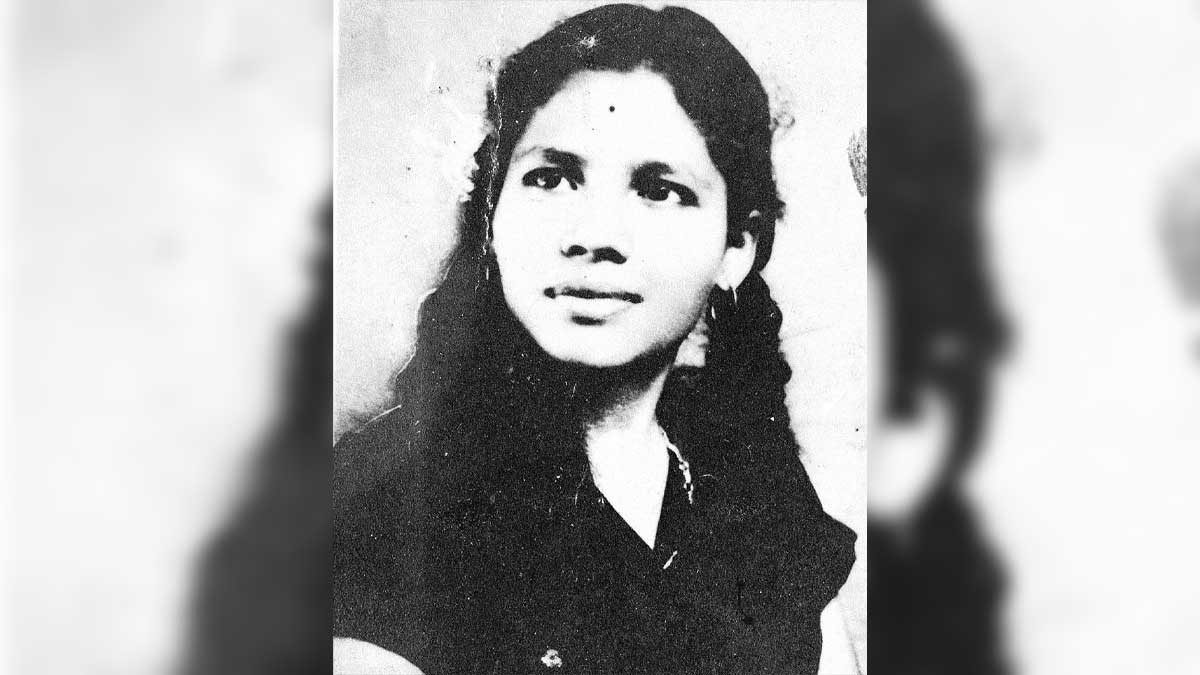
For 30 years, I took care of Aruna Shanbaug at KEM Hospital. When people speak of her today, they often reduce her life to a legal milestone or a moral debate on euthanasia. But to us nurses, Aruna was never a case. She was a fragile human, expressive in her own way, and deeply responsive to care.
I retired seven years ago, but my memories of Aruna remain vivid. Caring for patients in a vegetative state requires patience, compassion and commitment. Care is the keyword. Without it, medicine becomes mechanical. With it, even the most silent patient can feel dignity.
In Aruna’s case, the nurses were her backbone. We volunteered to care for her, not because it was easy, but because it was necessary. Despite being bedridden and unable to communicate in conventional ways, she was always kept clean, comfortable and protected. Not once did she develop bedsores.
Aruna was a fighter. She would cry when she needed something, and over time, we began to understand her cues. She was alert in her own way, responsive to familiar voices, touch and routine. Those who believe patients like her are absent from the world around them misunderstand the quiet language of such lives.
Today, when euthanasia is discussed in similar cases, I feel compelled to speak from experience. These patients need more care, not less. There are foster homes and long-term care facilities available now, which were not common in Aruna’s time.
Ending a life should never become a substitute for providing care. It is true that families suffer emotionally and financially. Their pain must be acknowledged. But the answer lies in strengthening care-giving systems, not in giving up on lives that continue to feel, respond and endure in ways we might never fully comprehend.
Velhal is former matron, KEM Hospital, Mumbai As told to Kanu Sarda
