



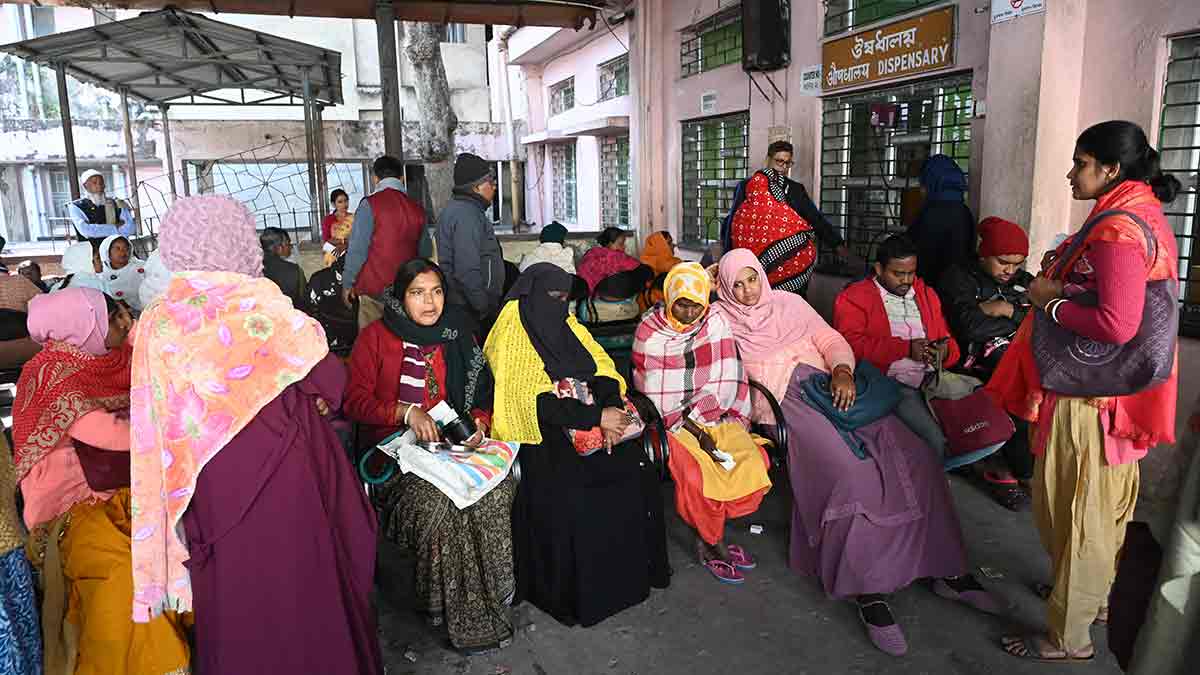
THE NATIONAL INSTITUTE of Homoeopathy (NIH) in Kolkata has seen a steady patient footfall. In the last five years, homoeopathy has seen a marked rise in India, thanks to the focus and funding from the Union government.
“Homoeopathy is a recognised system of medicine under the ministry of Ayush, with more than two centuries of clinical practice worldwide,” said Dr Pralay Sharma, director of NIH. “Its effectiveness may be viewed across three key dimensions—clinical outcomes, public health relevance and patient’s acceptability, with homoeopathy showing consistent effectiveness in the management of chronic, functional and psychosomatic disorders.”
These include allergic diseases, skin disorders, musculoskeletal complaints, gastrointestinal disturbances, anxiety-related conditions and certain lifestyle disorders. In more serious diseases like cancer, homoeopathy does not replace treatment like surgery, chemotherapy or radiotherapy. Homoeopathy is used as a palliative approach and improves quality of life, reduces treatment-related side effects like nausea and provides symptomatic support in terminal cancer cases. “Myocardial infarction and left ventricular failure, too, cannot be treated with homoeopathy and people in that stage do not depend on homoeopathy medicines,” says Sharma.
Homoeopathy is a non-invasive system of medicine. “Its approach is based on self-regulatory and healing properties of the medicine rather than surgical intervention. Homoeopathy treatment does not involve injection and surgical procedure,” clarifies Sharma.
Despite its history, perceptual factors have impacted the global popularity of homoeopathy. It could be because of limited scientific evidence, lack of clinical trials, limited integration of modern research methodologies and over-reliance on past success stories rather than on standardised, evidence-based documents.
Other factors include lack of uniform treatment protocols and outcome reporting. “For every disease, homoeopathy does not have a standard, recognised, regulated protocol for treatment,” says Sharma. “We are developing that right now. Inconsistent adherence to the homoeopathy system is another factor. There are also education and faculty constraints, including inadequate research and infrastructure.”
