


A single pill taken once a day. No injections, no fuss. That is the promise of oral semaglutide, known to many as the oral version of Ozempic, the GLP-1 receptor agonist that has taken the diabetes world by storm. First hailed as a breakthrough in blood sugar control, this new class of medication is now being recognised for something even more significant: its potential to prevent heart attacks and strokes.
Two experts—Dr Harish Kumar, professor and head of endocrinology at Amrita Hospital, Kochi, and Dr Sanjay Kalra, a leading diabetologist based in Karnal—offer insights on what this drug can do, and what needs to change to make it accessible to millions who need it.
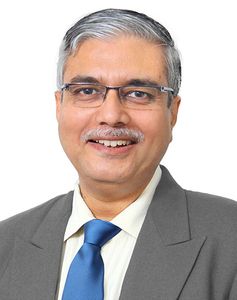 Dr Harish Kumar
“Oral semaglutide represents a new era,” says Dr Harish Kumar. “It is not just about lowering blood glucose anymore—it tackles obesity, protects the heart, benefits the kidneys, and even improves conditions like fatty liver disease. We have never had a molecule like this before.”
Belonging to the GLP-1 analogue class of drugs, oral semaglutide mimics a hormone that regulates insulin, appetite and inflammation. In lay terms, it helps the body respond better to meals, while also reducing hunger and promoting weight loss.
Dr Kumar points to the SOUL trial, a landmark study that showed up to 27 per cent reduction in cardiovascular events among Asian participants. “We have seen dramatic improvements in heart health. These are not marginal benefits—they’re game-changers,” he says.
Dr Sanjay Kalra echoes the optimism. “For years, we have known that GLP-1 drugs work. But we lacked clear proof that the oral version improved long-term outcomes like heart attacks and strokes. The SOUL trial gave us that clarity,” he says.
According to him, this changes how doctors counsel patients. “We always knew it was effective and safe. Now, we can say it also improves longevity. That changes the conversation from treatment to prevention.”
Kalra says the Indian context makes this even more urgent. “One in four adults is either diabetic or prediabetic. Nearly one-third are obese. Heart disease is our leading cause of death. If a drug can address all three fronts—sugar, weight, and heart—it is more than medication. It is strategy.”
Cost remains the biggest hurdle. “If you are wealthy or have good insurance, it is a fantastic option,” says Dr Kumar. “But for the average Indian, it is unaffordable. And this is a medication that needs to be taken long-term.”
Kalra agrees. “At Rs9,000 a month, it’s out of reach for most. That said, it could save money in the long run by preventing expensive hospitalisation due to heart attack or stroke,” he says.
He draws a parallel with FMCG models: “Once enough people start using it, the manufacturer might lower the price due to economies of scale. We have seen that with many drugs before. It is about reaching critical mass.”
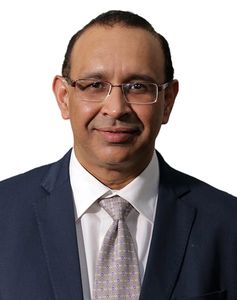 Dr Sanjay Kalra
While initial resistance came from patients wary of injections, the oral version of semaglutide changed the game. “People associate injectables with insulin, which they are reluctant to start. A once-a-day pill improves compliance,” says Dr Kumar.
However, he warns that the benefits are temporary if the drug is discontinued. “Some patients stop after losing weight, thinking the problem is solved. But the weight returns. This isn’t a short-term fix. It requires a long-term commitment—both medically and financially,” he says.
Conducted globally, the SOUL trial assessed whether oral semaglutide reduced major cardiovascular events like heart attack, stroke, and cardiovascular death in high-risk patients.
The result?
* 27 per cent reduction in events among Asian participants
* Proven benefit in longevity—not just blood sugar control
* Reframes semaglutide as a “wellness” drug, not just a diabetes medication
Both Dr Kumar and Dr Kalra stress that lifestyle change must go hand-in-hand with medication. “We are on the same path as the west was two decades ago—sedentary lives, processed food, urban stress,” says Dr Kumar. “We must address these root causes, or no pill will be enough.”
Dr Kalra sees an opportunity for the media, policymakers and health care providers to push for both price regulation and public awareness. “We have the science. Now we need the system to catch up,” he says.
Oral semaglutide might be one of the most promising drugs in modern diabetes care, not just for its convenience but for the range of benefits it offers—blood sugar control, weight loss and cardiovascular protection. “We finally have a scientifically proven pill that promotes wellness,” says Dr Kalra. “Now we must ensure it is within everyone’s reach.”