



The Popular Forces, an Israeli-backed militia operating in southern Gaza, has named Ghassan al-Dahini as its new commander after the controversial death of its leader Yasser Abu Shabab on December 4. Until his sudden elevation, Dahini had served as Abu Shabab’s deputy and was seen as his natural successor within the organisation. Dahini has been serving as the head of its armed wing, known as the Counter-Terrorism Service.
The Popular Forces is an anti-Hamas militia which has been active in areas of southern Gaza controlled by the Israeli Defence Forces. Abu Shabab had presented the group as a counterweight to Hamas’s authority and had on several occasions declared himself the strongest man in Gaza who intended to replace Hamas as the dominant force in local governance and security. Dahini has pledged openly to continue this ambition. He has dismissed Hamas as a weak movement and has argued that it is too feeble to hurt morale within the Popular Forces and among Gazans who hope for an alternative to its rule.
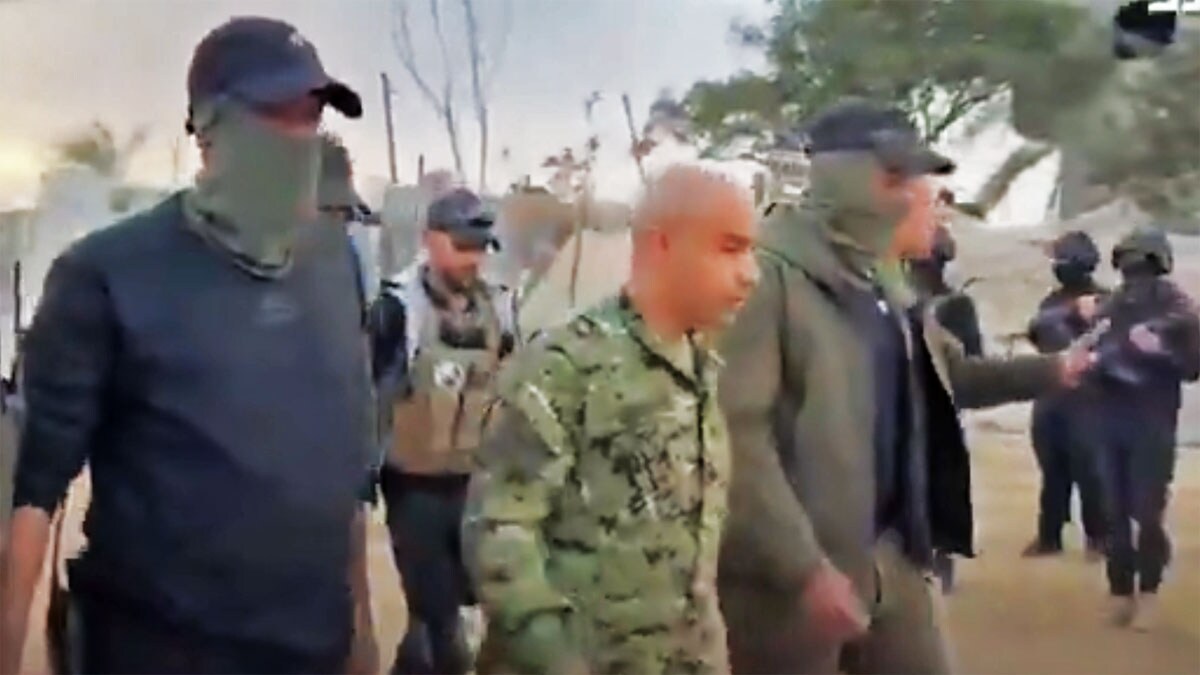
Shortly after assuming command, Dahini appeared in a video posted on a Facebook page linked to the militia. The footage showed him dressed in military fatigues inspecting a formation of fighters in full gear. He used the occasion to promise that the Popular Forces would keep fighting until the people of Gaza were freed from Hamas and insisted he was committed to developing an alternative model of leadership and security in the territory. In a subsequent interview he spoke in defiant terms about resisting Hamas pressure and maintaining the course mapped out by his predecessor.
Dahini’s rise took place in the shadow of a violent and disputed incident that resulted in Abu Shabab’s death. Israeli officials characterised the killing as the consequence of an internal clash inside the group. One version circulating in Israeli media held that Abu Shabab had been beaten to death by his own bodyguards during a quarrel over positions, money and the extent of cooperation with Israel. The Popular Forces rejected this narrative and stated that he had been killed while attempting to intervene in a family dispute. The group denied any Hamas involvement.
The opposing accounts highlighted both the secrecy surrounding the event and the broader volatility that has come to define the constellation of proxy militias which Israel has tried to cultivate in Gaza. They also appeared to confirm a growing consensus that the wider project of building a local security or civilian alternative to Hamas had faltered.
Dahini himself was present during the incident in which Abu Shabab died and suffered a minor leg injury. He was taken to Barzilai Medical Centre in Ashkelon for treatment, according to Israeli reports. Soon afterwards, he appeared in a short video performing the funeral prayer for Abu Shabab alongside dozens of armed members of the Popular Forces. Though he subsequently assumed command, his ability to consolidate power remains in doubt. Israeli media described the leadership vacuum as dangerous and warned that the various militias formed in recent months are divided and disorganised. Dahini’s authority is therefore considered precarious and vulnerable to internal rivalries as well as external threats.
Little is known publicly about Dahini’s personal history, though he has been identified as a former Palestinian security officer. He has also been described as a one-time official in the Army of Islam which is a Salafi Jihadist militant organisation based in Gaza. These links have drawn attention from analysts who argue that the shifting allegiances of figures like Dahini illustrate the fluid nature of militant and paramilitary politics in the enclave.
Dahini and the Popular Forces face hostility from Hamas and from several local clans aligned with the movement. The Hamas-run Gaza Interior Ministry has threatened individuals who cooperate with Israel and has warned that they will face the same fate as Abu Shabab unless they surrender to the authorities. Hamas has executed numerous people it accuses of collaboration as it attempts to reassert control over the Strip. The Palestinian Tribal Committee in Gaza has also condemned the Popular Forces describing them as mercenaries for the occupation. It praised families who have distanced themselves from members working with Israel.
Observers say that Israel, which once viewed groups like the Popular Forces as tools to undermine Hamas, may now see them as liabilities. Some believe Israel could seek to dismantle or sideline such militias particularly as international pressure mounts for a second phase of the conflict that would involve reducing the extent of Israeli control in southern Gaza.
