



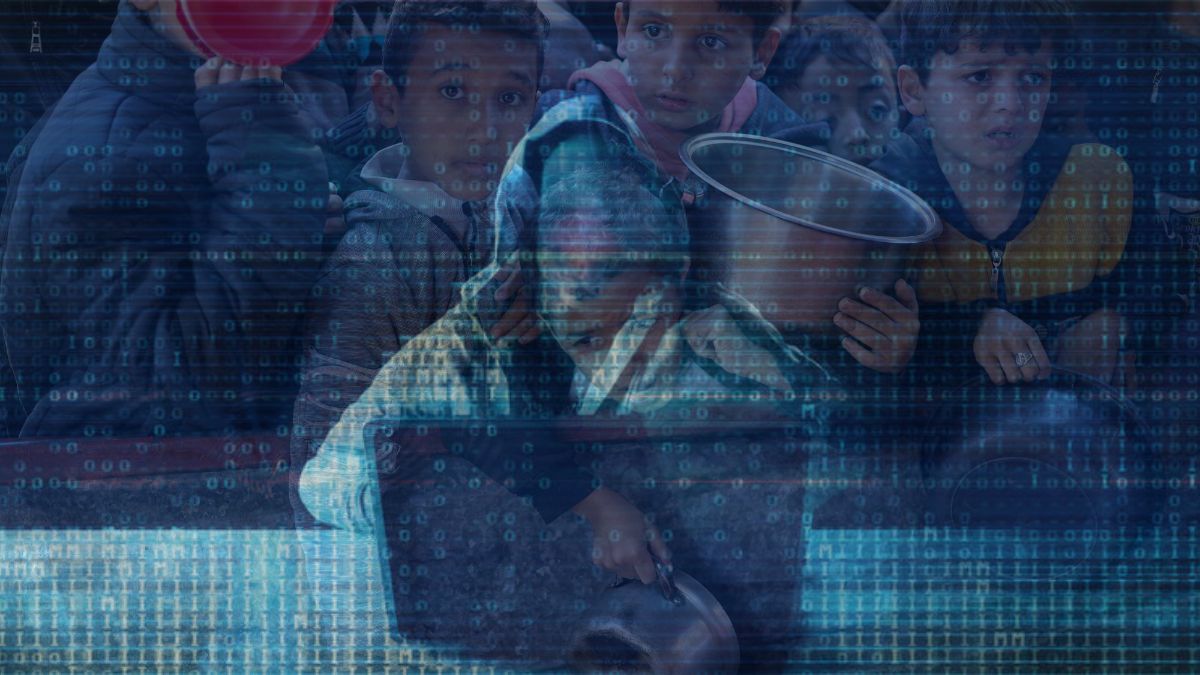
Three Uttar Pradesh residents arrested from Maharashtra are the latest in a surge of online scams that have emerged in India and abroad, preying on public sympathy to crowdfund for the victims of Gaza.
The three arrested—Mohammed Ayan, Zaid Notiyar, and Abu Sufiyan—were picked up from Bhiwandi, and will be produced before a local court before being brought to Lucknow on transit remand.
The three are accused of running fraudulent crowdfunding campaigns on social media by putting up heart-wrenching photos and videos of suffering in Gaza and making heartfelt appeals for help.
According to initial information put out by the state’s Anti-Terrorism Squad (ATS), the three earned crores of rupees through donations which poured in for help, and kept most of this money for themselves.
They have also sent lakhs of rupees to associates in different districts of the state. The three were using their own UPI IDs and bank accounts to solicit donations.
While there is no clarity on where the money was spent, the ATS has tagged the nature of the money trail as as ‘suspicious’. Investigators will also look into whether the money was sent abroad.
They have been charged under Sections 152, 318(4) and 61(2) of the BNS. The first deals with endangering the sovereignty, unity and integrity of the country; the second with cheating, dishonestly inducing delivery of property; and the third with criminal conspiracy. The maximum punishment can stretch to life imprisonment.
A pan-Indian issue
This is another chapter in a long list of fraudulent campaigns that have popped up during the ongoing conflict.
Authorities have reported a sharp rise in fake crowdfunding drives, manipulative social media appeals, and phishing campaigns exploiting the urgency to help civilians affected by the conflict (who do not check for authenticity despite repeated public awareness campaigns).
In a separate case, the Gujarat police arrested a Syrian national for his involvement in another fraudulent Gaza relief operation.
Investigators revealed that fake fundraising accounts—with handlers stationed outside India—were directing operatives to exploit donor goodwill by using emotionally charged narratives and doctored visuals.
Similar cases have surfaced in other states, underscoring the pan-Indian presence of these scams.
What to watch out for
The spate of online fraudulent campaigns can involve any or all of the methods below:
a) Creation of imitation websites that mimic genuine charities.
b) Use of phishing emails disguised as communications from well-known international aid groups.
c) Circulation of viral videos, often edited or lifted from unrelated disasters, to tug at donor emotions.
d) Launch of urgent appeals on WhatsApp, Instagram, and Telegram, pressing users to donate quickly before verifying authenticity.
What analysts say about the issue
According to cybersecurity analysts, there has been a noticeable 40 per cent increase in scam-linked content and nearly 60 per cent more phishing emails posing as humanitarian agencies, since the start of Gaza-related trending campaigns. Complaints about fake charities have also risen globally.
Other complications
Crowdfunding platforms have come under pressure for failing to effectively filter out fraudulent drives. Some operators were found hosting fake appeals, while in parallel, legitimate campaigns for Gaza were suddenly blocked or delayed due to over-scrutiny.
This hampers genuine relief efforts while also eroding public trust in digital crowdfunding platforms.
Scammers have further complicated matters by repurposing footage from entirely different disasters, such as wildfires or earthquakes, claiming they were scenes from Gaza too. This strategy makes it increasingly difficult for ordinary donors to separate fact from fraud.
Going forward
UP ATS—like other agencies across the country—is dealing with the problem by deploying forensic teams to scrutinise seized devices, map social media activity, and trace UPI records.
There is also stricter scrutiny of multi-layered bank transfers to identify funds being siphoned into untraceable channels, such as digital wallets.
