



THE FORMER HEAD OF RESEARCH at THE WEEK, K. Manoharan, had an interesting snakebite story which bordered on the unbelievable. Considering that Manoharan was efficient and meticulous to a fault, I am confident about his recollection of the sequence of events.
The schoolboy Manoharan was playing in the paddy field close to his ancestral home in Thrissur when he was bitten by a cobra. The family rushed him in an Ambassador that had brought a politician to a nearby meeting. Destination: a local Christian priest known for treating snakebites.
When the family reached the church, the priest and his assistant were waiting by the gate, expecting them. There was no phone call, nor was a messenger sent. Then how did he know? And the priest was not pulling a fast one, because freshly ground medicines were waiting for Manoharan.
The rest of the story is equally interesting, but let me share that another time. I know the possibilities—it could have been a dry bite, or even the snake could have been identified wrongly. Yet, I have heard many similar stories. In some of them, traditional healers would even predict the direction from which the patient would be coming.
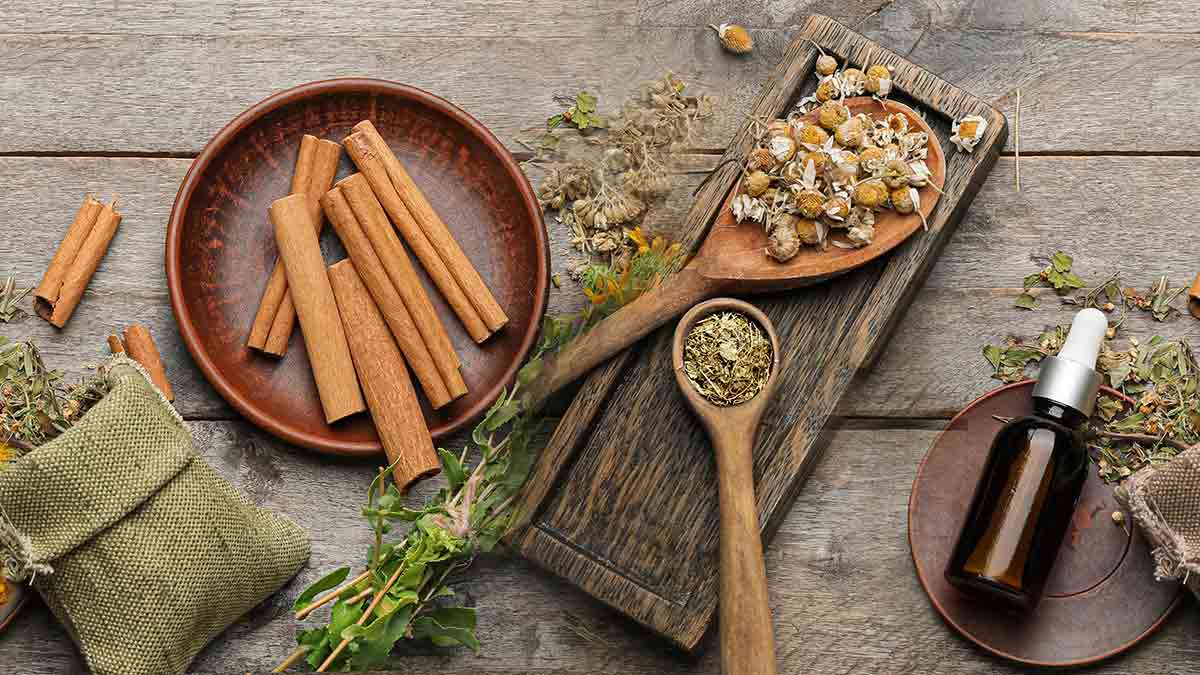
This is not to recommend traditional medicine over modern medicine, or to turn it into a battle between the systems of medicine. My appeal is only for a closer study of all systems under Ayush to separate the credible from the snake oil salesmen. Hence, this cover.
While on the matter of snakebites, an Indian success story is the five-year-old Sarpa App, short for Snake Awareness Rescue and Protection App. The volunteer-driven app has successfully enabled accurate snake identification, guided victims to the nearest hospitals with venom antiserum, and supported the relocation of snakes to safe habitats. As with all things, success depends on teamwork between common people, government agencies and academics.
My sincere thanks to Union Minister of State Prataprao Jadhav, who was interviewed for this issue by Chief of Bureau (Mumbai) Dnyanesh Jathar. The minister holds independent charge of the ministry of Ayush, and is minister of state in the ministry of health and family welfare. The main article was written by Senior Correspondent Shubhangi Shah, while Chief Bureau (Chennai) Lakshmi Subramanian, Principal Correspondent Abhinav Singh and Special Correspondent Prema Rajaram contributed from their bureaus.
Beyond the cover, we continue our coverage of assembly polls and it is Assam this week. Correspondent Badar Bashir travelled widely in the state to bring you ground reports. He interviewed Assam Congress president Gaurav Gogoi and the BJP’s Pradan Baruah, the Lok Sabha member from Lakhimpur.
Coming back to the cover, in December 2025, we lost Dr Palpu Pushpangadan, 81, a Padma Shri award-winning ethnobotanist. In August, Kuttimathan Kani, 72, a venerable elder from the Kani tribe, died. Kuttimathan and two fellow tribesmen had introduced Pushpangadan and his team to the Arogyapacha herb, which the Kanis have used for ages to beat fatigue on long treks.
Pushpangadan took the knowledge forward and left behind a model in which traditionally known herbs can be monetised while ensuring that traditional keepers are compensated. I am told that the licence to manufacture Arogyapacha-based medicines was granted to the Arya Vaidya Pharmacy, Coimbatore, and that half of the licence fee is channelled towards the welfare of Kanis.
As with all models, there might be gaps that can be plugged and the process streamlined. But it is an auspicious beginning nevertheless.
