



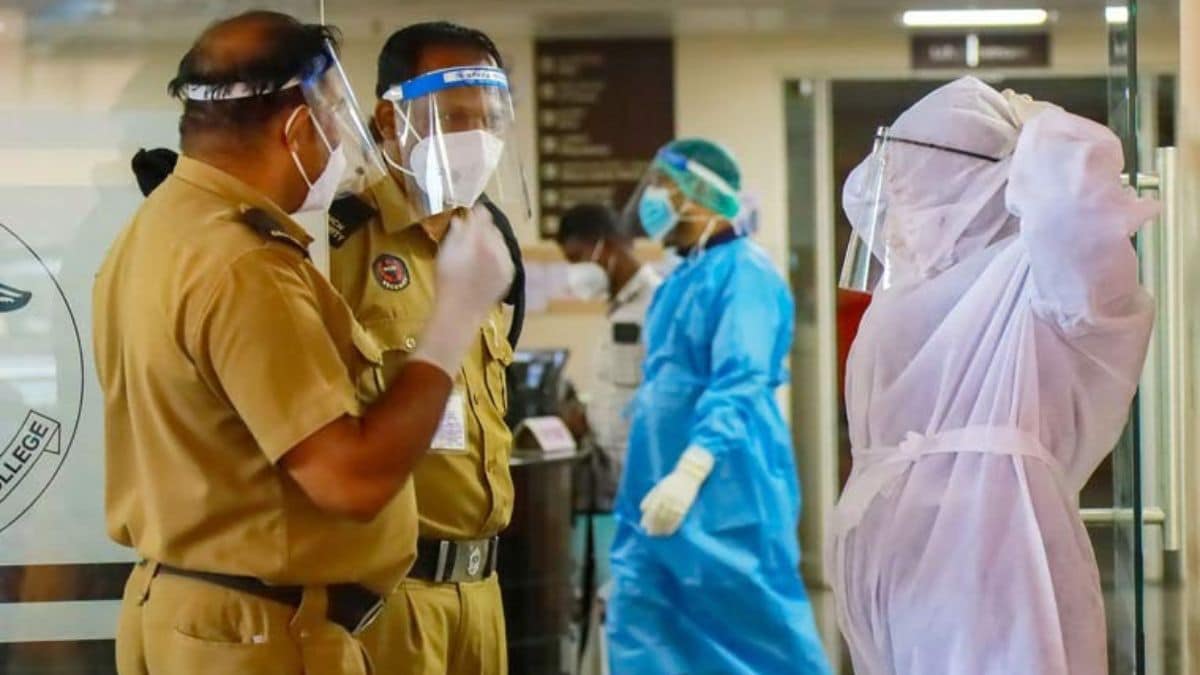
In its first, the Kerala Health Department has released the state's infectious disease prevention calendar, listing month-wise risks and measures to reduce outbreaks and death.
By releasing the infectious disease prevention calendar, the Health Department aims to anticipate seasonal infectious diseases and help prevent outbreaks before they occur, rather than responding only after cases rise.
The calendar is prepared by experts on the department's high-power committee for epidemic control and is intended to be updated as scientific evidence evolves.
State Health Minister K. Muraleedharan released the calendar on Friday.
What exactly is it?
The calendar lists the diseases relevant to each month, their symptoms, modes of transmission, and preventive measures for individuals and communities.
Under the initiative, health inspectors and other health workers are expected to visit households to educate residents about relevant infections and preventive practices.
How is it intended to work?
The idea is to align public-health action with the seasonal risk of the disease.
*Seasonal risk awareness: Prepare communities for diseases likely to be relevant at different times of year.
*Early prevention: Encourage appropriate precautions before transmission increases.
*Symptom recognition: Help people seek medical assessment earlier.
*Community mobilisation: Coordinate health workers, local government and the public.
*Periodic revision: Incorporate emerging scientific evidence.
Why this is significant for Kerala
From an infectious-diseases and hospital-governance perspective, the important shift is from reactive outbreak control to planned, anticipatory prevention.
For example, seasonal preparedness can involve mosquito-source reduction, community education, clinical vigilance and ensuring that hospitals are ready to investigate and manage suspected infections. The precise intervention should depend on the disease and current epidemiological evidence, not simply the month on the calendar.
Also, this is a public-health planning and awareness tool, not a guarantee that a particular disease will occur in a given month, a real-time outbreak alert, or a substitute for clinical treatment guidelines.
The calendar will be made available to people across the state and published on the department's website.
