



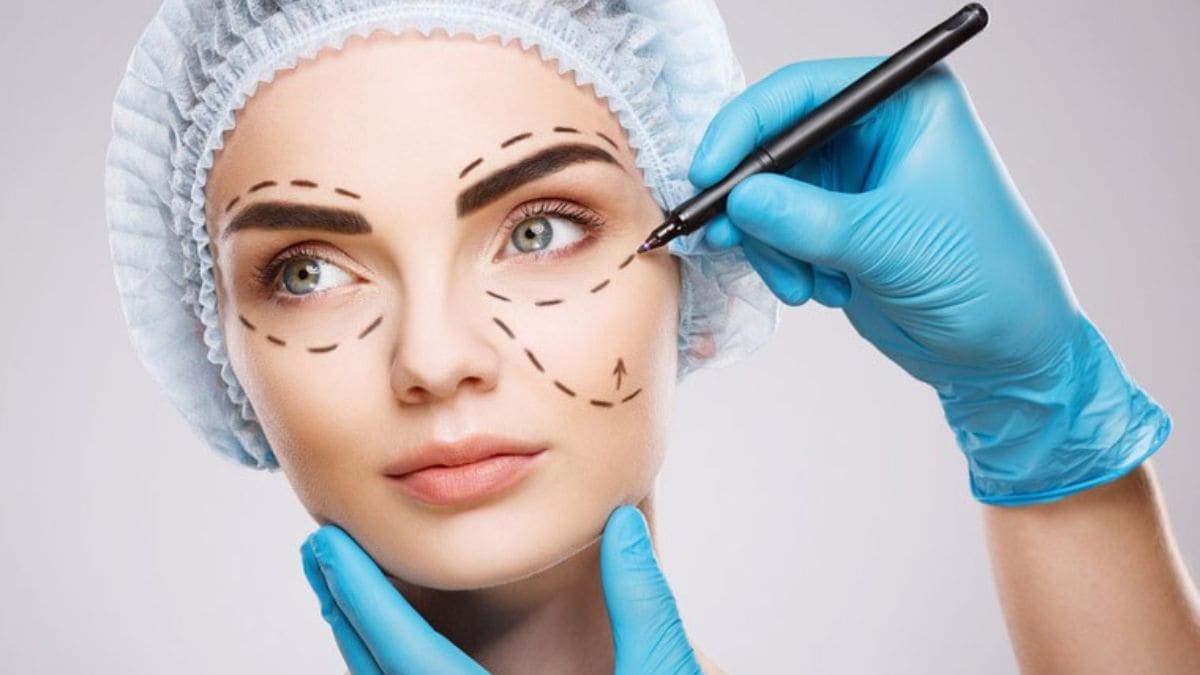
The fastest-growing areas in cosmetic surgery today are often the smallest. Rather than seeking dramatic changes, many patients are focusing on highly specific concerns such as fullness beneath the chin, a poorly defined jawline, bra bulges, or small pockets of stubborn fat along the inner thighs. These so-called “micro-zones” may occupy only a few centimetres of the body, yet they are increasingly becoming the focus of aesthetic consultations. What makes this trend remarkable is not the size of the area being treated, but the importance it holds for the individual patient.
Part of this shift reflects the way we see ourselves today. Previous generations relied largely on mirrors, whereas modern life places us in front of cameras constantly. Selfies, video calls, social media, and high-definition photography have made people more aware of subtle contours and proportions. Patients often arrive with concerns that might have gone unnoticed a decade ago, not because beauty standards have necessarily become harsher, but because our appearance is now documented and reviewed from multiple angles every day.
The rise of micro-zone treatments has also been enabled by advances in aesthetic medicine. Modern surgical and non-surgical techniques allow surgeons to address smaller concerns with greater precision and less downtime than was previously possible. Improvements that once required larger procedures can now often be achieved in a more targeted manner. As technology has evolved, so too has the ability to focus on refinement rather than broad correction.
Perhaps most importantly, patient expectations have changed. Cosmetic surgery was once closely associated with transformation. Today, many patients are looking for enhancement rather than reinvention. They want results that appear natural, preserve their individuality, and fit seamlessly into their lives. The goal is often not to look like someone else, but to address a specific concern that has remained a source of self-consciousness despite otherwise being comfortable with their appearance.
The growing interest in micro-zones reflects a broader evolution in aesthetic medicine. Cosmetic surgery is increasingly moving away from dramatic transformation and towards subtle refinement. At the same time, not every perceived flaw requires treatment. Some degree of asymmetry, fullness, and anatomical variation is entirely normal.
A good cosmetic consultation involves understanding not only what can be changed, but whether a change is likely to provide meaningful benefit. Sometimes, the smallest concern can have the biggest impact on how a patient sees themselves, but the best results often come from knowing when less is more.
The author is a surgeon and a senior resident in plastic surgery.
The opinions expressed in this article are those of the author and do not purport to reflect the opinions or the views of THE WEEK.
