



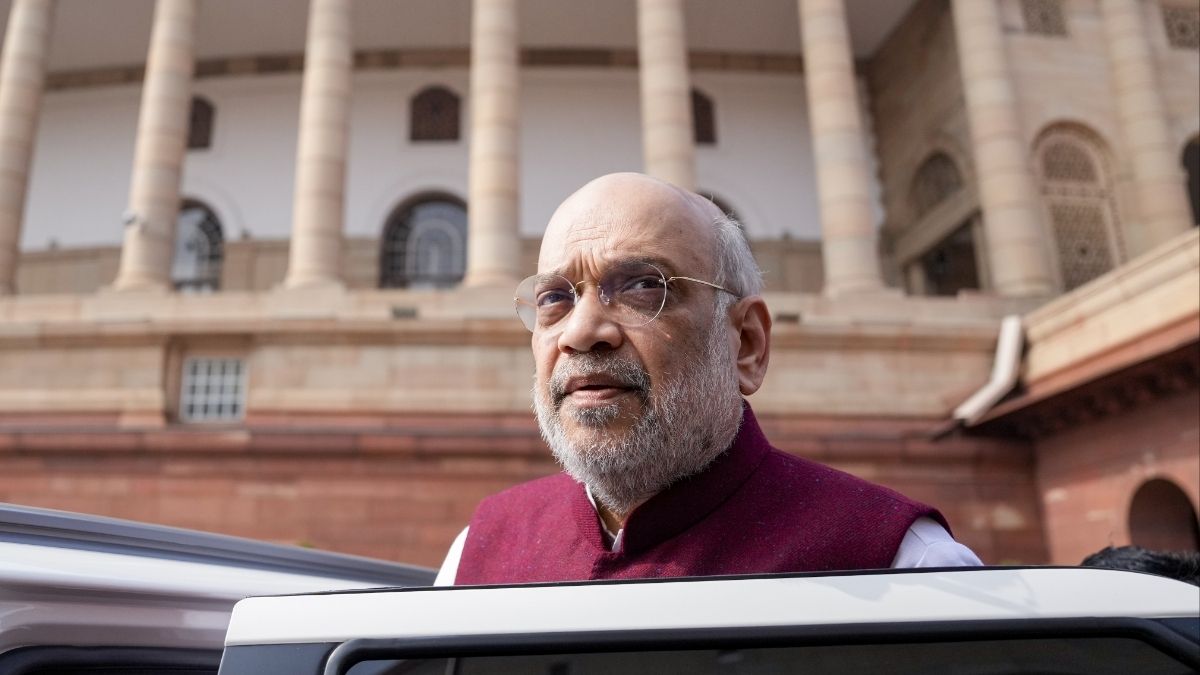
As the Union home ministry races to meet its deadline of eliminating naxalism from the country by March 31, a parallel effort is afoot to ensure there is no resurgence of left-wing extremism, once described as one of the biggest internal security threats in the country.
The single biggest focus here is not the elimination of Maoists—which is at best a law enforcement approach—but also securing the lives of people in tribal belts and villages by providing basic amenities, healthcare, road connectivity, electricity and socio-economic integration.
From Rs 3,006.56 crore last year, the Security Related Expenditure (SRE) and Special Infrastructure Scheme for Left Wing Extremist (LWE) areas has gone up to Rs 3,610.80 crore this year, as union home minister Amit Shah asks security agencies to focus on the next step—which is to ensure there is no revival of the threat in erstwhile pockets of Maoists due to lagging schemes for their rehabilitation, civic programmes and assistance to locals who have been living under the shadow of guns for decades.
The SRE scheme provides special central assistance to 35 worst-affected districts in Left Wing Extremist-affected areas, as well as assistance to central agencies for LWE management, civic action programmes, and other outreach plans in various states.
While the number of LWE-affected districts has dropped drastically, the home ministry continues to handhold areas that are violence-prone, especially border regions in states like Chhattisgarh, Jharkhand, Odisha, West Bengal and Maharashtra.
The focus on bringing down Naxal violence is also part of the larger focus on equipping policemen with technology and upgrading investigation skills that require forensic and scientific training and infrastructure across police stations.
Once again, Shah’s focus on building forensic capabilities of police forces is evident in the budgetary allocation towards criminology and forensic science at Rs 132 crore against Rs 99 crore last year for administrative expenditure on the Directorate of Forensic Science and Central Forensic Science Laboratories. The provision is also for the modernisation of Central Forensic Science Laboratories with a focus on Research and Development Schemes, establishment of Regional Forensic Laboratories and DNA Centres.
At the same time, the allocation for the National Forensic Infrastructure Enhancement Scheme has gone up from around Rs 97 crore to Rs 130 crore for strengthening the national forensic infrastructure throughout the country by setting up various campuses of forensic science units and CFSL laboratories.
The aim is also speedy delivery of justice, which is why linking police stations with courts and prison authorities is key. The Inter Operable Criminal Justice System comes into focus here, and the MHA has increased its budget from Rs 300 crore to Rs 550 crore to integrate the digital platforms for seamless data sharing among police, courts, prosecution, prisons, and forensic agencies.
